Sabiha Zainulbhai
Deputy Director, Future of Land and Housing Program
ROC USA combines affordable capital and technical assistance to enable resident-owned communities.
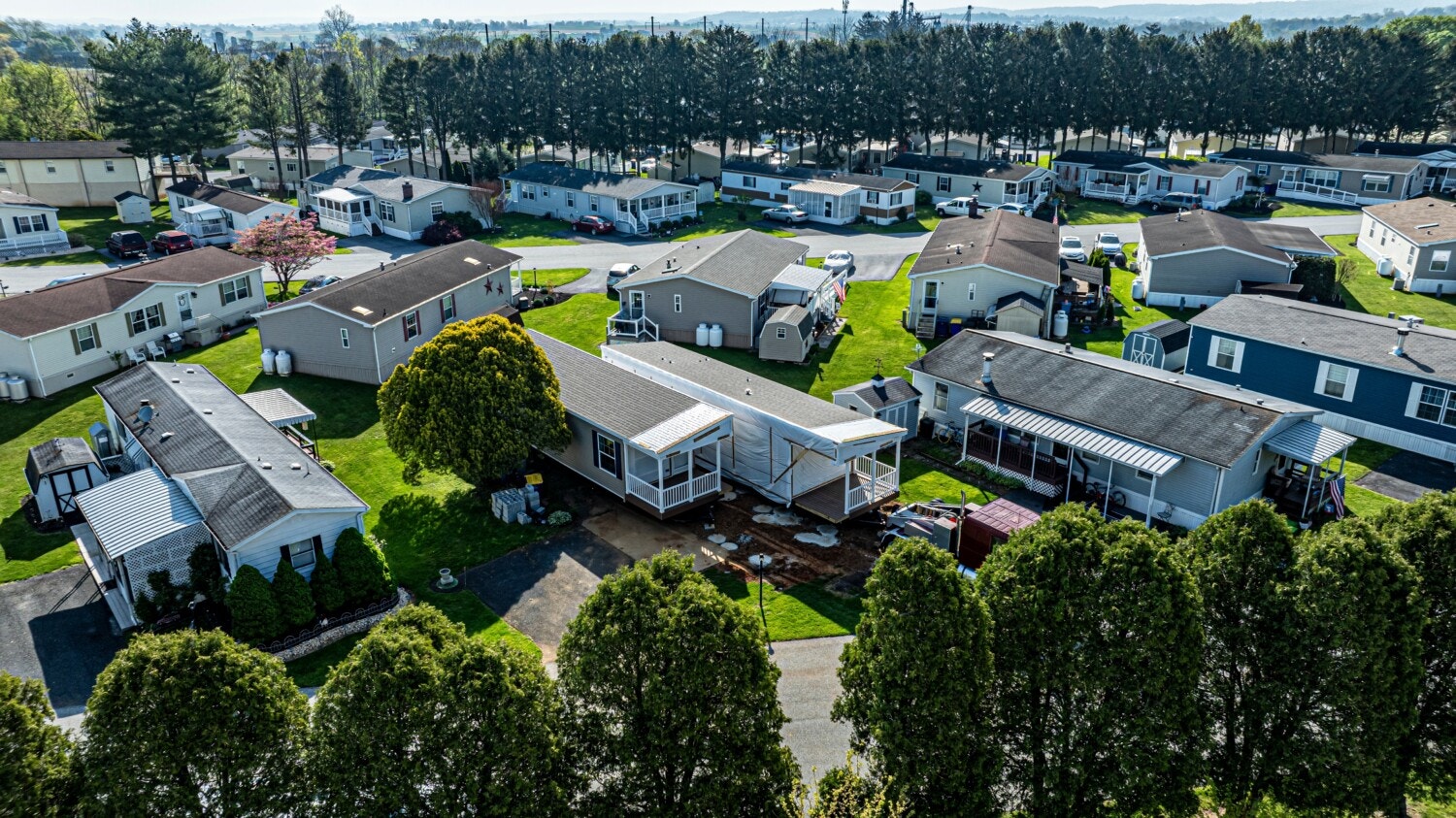

Approximately 4.3 million homes are part of manufactured home communities, where residents own their home but pay to rent the land (or “pad”) and the community’s utility infrastructure. Resident-owned communities (or ROCs) are corporate structures that allow residents of manufactured home communities to collectively purchase the land on which their individually owned homes sit, acquiring full tenure over their properties.
ROC USA helps residents of manufactured home communities with these purchases and fosters peer-to-peer support among its member network of 347 manufactured home ROCs in 21 states.
There are a host of conditions that can ease a community’s ability to become a ROC: resident cohesion; sufficient scale (at least 25 homes); and strong local support from ROC USA’s regional network. Policy-related conditions include the existence of a tenant opportunity to purchase law (right of first refusal) and zoning laws that support manufactured housing. In order for a community to afford the land purchase necessary to become an ROC, the price of the land and the closing costs must be low enough that residents can cover the operating expenses and debt on the loan without their monthly fees becoming unaffordable.
ROC USA Capital, a Community Development Financial Institution (CDFI) subsidiary of ROC USA and the leading lender for manufactured home ROC purchase loans, has developed a loan portfolio that is able to meet these needs. ROC USA Capital’s goal is to limit residents’ out-of-pocket expenses beyond a small membership fee (for which ROC USA provides financial assistance to ensure there is zero displacement), and for residents’ monthly lot fees to increase by as manageable an amount as possible.
For this reason, loans generally have a 110-percent loan-to-value ratio that bundles the cost of purchase inspections, appraisals, and closing into a single loan. The loans are also coupled with prepurchase forgivable loans that cover the inspection, appraisal, and deposit, plus the corporation’s legal fees.
ROC USA Capital’s loans pencil out because the organization has secured low interest rates in attracting capital to its loan fund. In the past five years, with higher interest rates and higher asking prices for communities up for sale, ROC USA Capital has increasingly turned to state and local housing agencies or housing finance agencies for debt financing to keep loans affordable for ROC residents, who are among the lowest-income homeowners in the country.
This case study is adapted from the report Small Loans, Big Barriers: How Small-Dollar Mortgages Impact the Racial Homeownership Gap in the United States and informed by discussions with ROC USA leadership in December 2024.
Deputy Director, Future of Land and Housing Program
State Partnerships Lead, Eviction Data Response Network