
A ‘Promising’ Way to Help Low-Income Students To and Through College
Why do so few low-income students go to college? Is it simply because there is not enough federal financial aid available?
Big ideas, bold solutions. Explore the latest research, analysis, and policy insights from our experts.
Why do so few low-income students go to college? Is it simply because there is not enough federal financial aid available?


Congratulations, One Dupont. You are now officially carrying the water for the worst of the for-profit higher education industry.

Wash U. will spend $25 million a year for five years to increase the share of freshmen receiving Pell Grants to 13 percent from 6 percent.

President Obama is expected to announce a tax-reform plan tonight that would significantly simplify higher education tax breaks.

We’re being reminded again of just how unseemly the financial relationships encouraged by the old bank-based loan system have been.

As 2014 comes to a close, New America's education program offers 15 higher education predictions for what we think will happen next year.

Although much of Sen. Harkin's new Higher Ed Act reauthorization bill is similar to the initial draft, there are a few differences.


Eliminating the program to help pay for Pell Grants was short-sighted.

At a time of low interest rates, our guard may be down when it comes to the dangers of taking out private student loans.

But that is not stopping the for-profit college lobbying group from continuing to call on the Ed Department to stop enforcing the rule.

Some private colleges have jumped off the merit aid merry-go-round and redirected their resources to need-based aid.
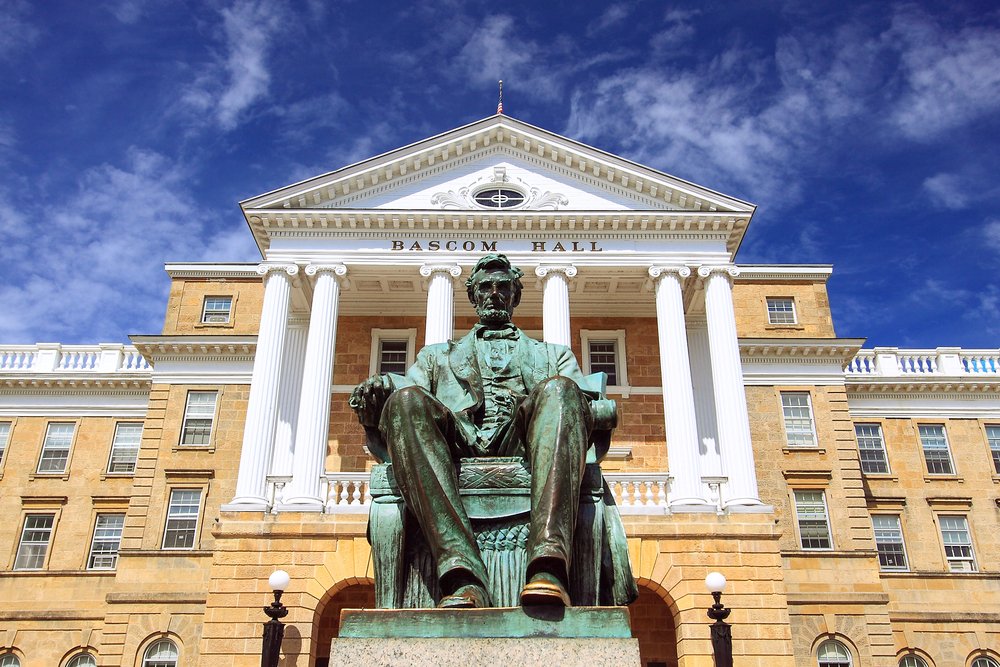
Few private nonprofit colleges use their financial aid resources to make college more accessible and affordable for the neediest students.

Read the Chronicle of Higher Education's Q&A with "Undermining Pell" author Stephen Burd.