
Closing Early Intervention Service Gaps to Infants is Both Policy and Practice
Automatic eligibility policies can help serve more infants and families with EI, but implementation is critical.
Big ideas, bold solutions. Explore the latest research, analysis, and policy insights from our experts.
Automatic eligibility policies can help serve more infants and families with EI, but implementation is critical.

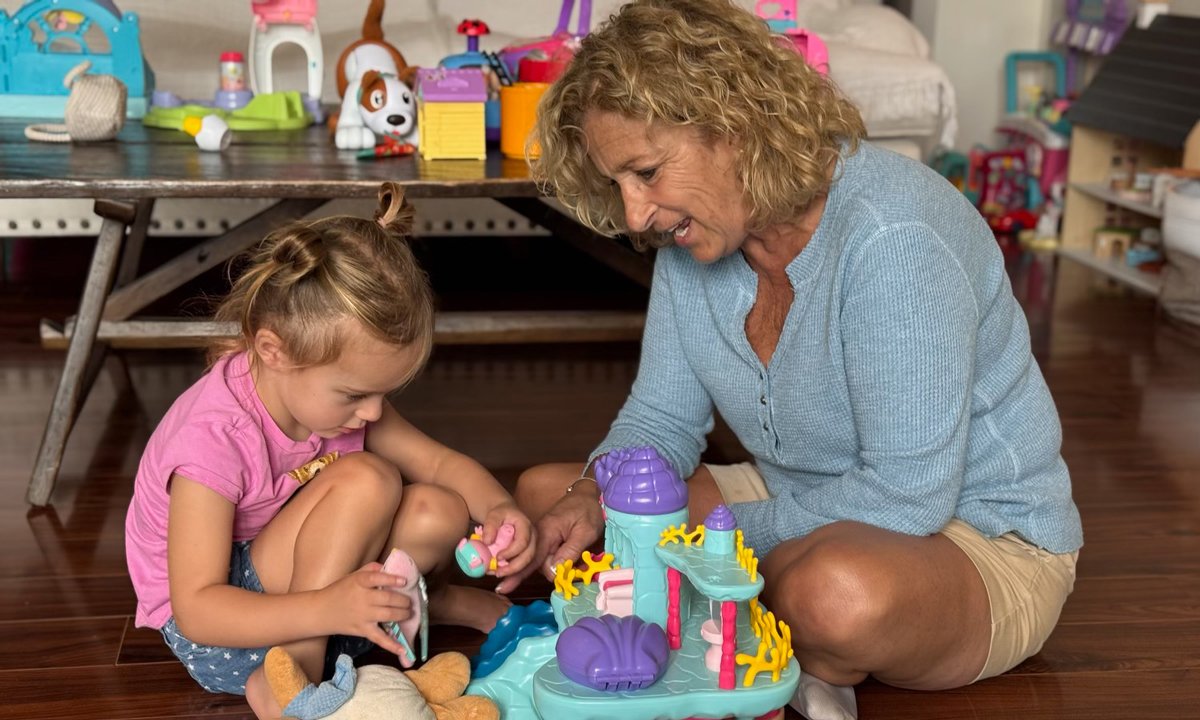
Chronic underpayment and workforce shortages are threatening the state’s ability to deliver critical services for children with disabilities

Recent bills signed by Governor Murphy emphasize a push towards universal pre-K and full-day kindergarten.

Now, more than ever, we need to center disabled people to address persistent challenges and find better solutions for everyone.

New bill offers support for student parents, the early childhood workforce, and more

Better math proficiency early in a student’s education often means better reading and math skills later on.

A fact sheet from New America and Start Early supports advocates to stay informed and take action.

The preschool years need to be followed by meaningful learning in early elementary grades.
Pre-K teachers can help parents in understanding the importance of play-based learning.

National survey of pre-K teachers serves as a valuable supplement to NASEM report
Few pre-K curricula provide strategies for children with disabilities or target their developmental needs.
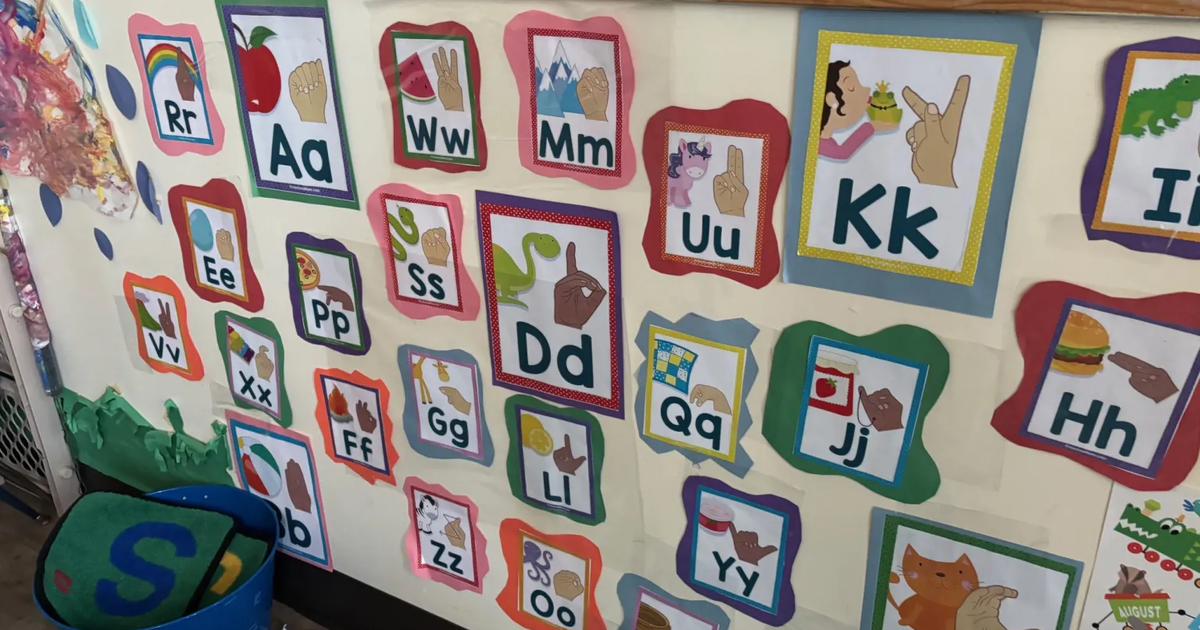
Sarah Carr spotlights how states like Ohio and Vermont work to prevent the exclusion of young children with disabilities from child care.

Connecticut’s Early Childhood Education Endowment starts with an initial $300 million investment
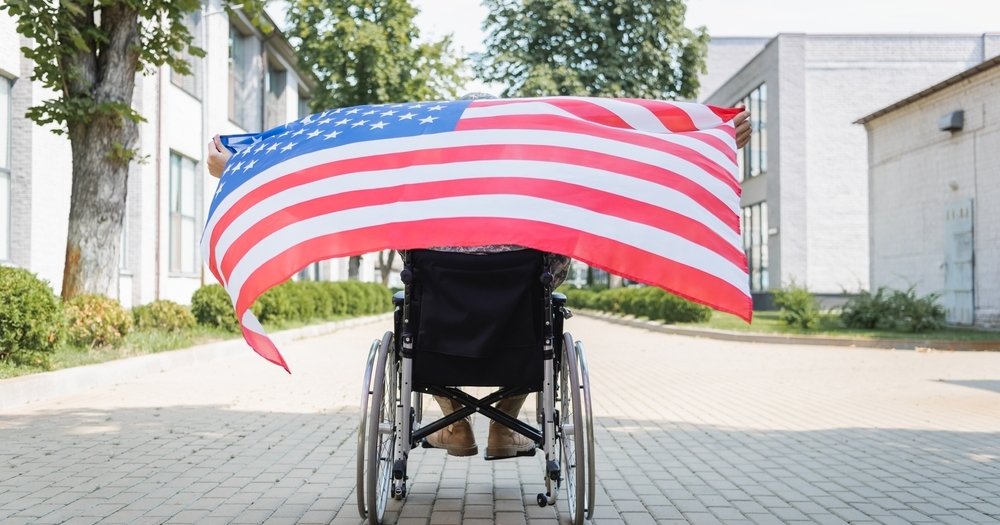
Given that more than one in four adults in the United States has a disability, all policy choices affect disabled Americans.