
Creating awareness and action through mapping
Eight months ago when the Opioid Mapping Initiative started, a rare few governments were mapping data.
Big ideas, bold solutions. Explore the latest research, analysis, and policy insights from our experts.
Eight months ago when the Opioid Mapping Initiative started, a rare few governments were mapping data.


Data transparency allows local governments to address current problems in their community.

A discovery sprint is an efficient way for organizations to tackle specific problems and surface new ideas.

A new national map for prescription drop-off days shows why drop-offs are so important in the first place.

We wanted answers. We decided to go out and find them.

In order to effectively spend the $6 billion allocated to fighting the opioid epidemic, we need a thorough plan.

While most Americans are familiar with the devastating effects of opioids, many are not familiar with a potential savior, naloxone.

We need a comprehensive understanding of the economic life of low and moderate-income communities.

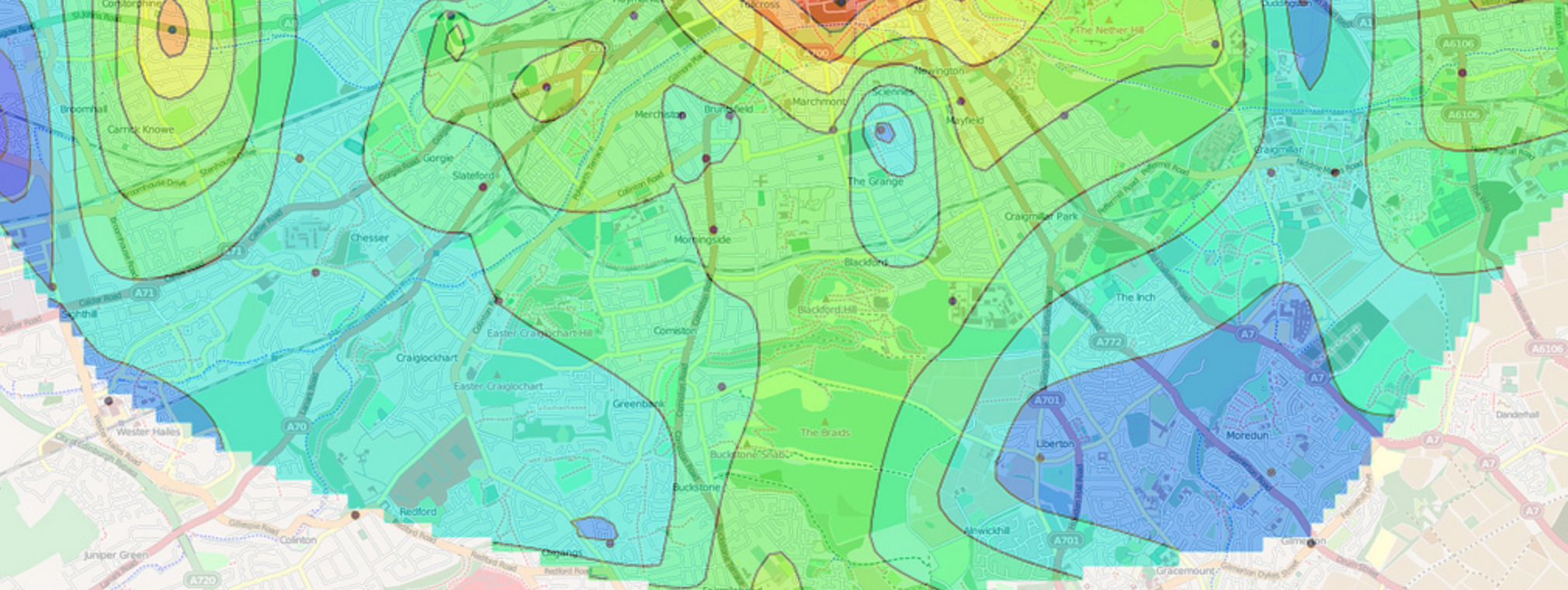
As local governments confront the opioid epidemic, it is rare to see data mapped. Why is there resistance to sharing information?
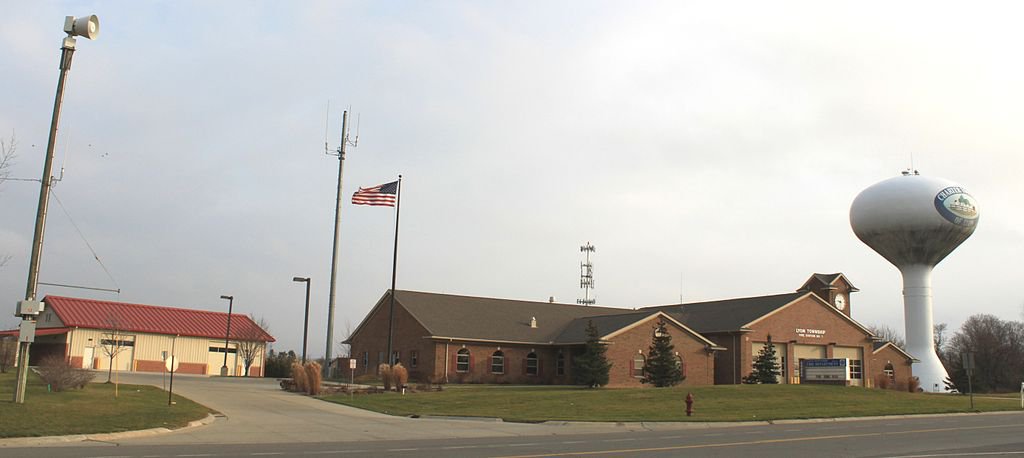
Counties are afraid that sharing data will paint certain communities in a bad light, but Oakland County sees this as a proactive step.

Overdoses due to the opioid epidemic are now the leading cause of death for people under 50 years old, but stigma prevails.

It’s a field not yet fully formed, but it has the potential to solve 21st-century problems with 21st-century tools across diverse sectors.

Developing youth skills through an ecosystem of open pedagogy, open data, and open research.