
At the White House: Mapping Innovations to ‘Bridge the Word Gap’
Early childhood leaders are testing whether one can harness the power of technology to raise the level of engagement for all children.
Big ideas, bold solutions. Explore the latest research, analysis, and policy insights from our experts.
Early childhood leaders are testing whether one can harness the power of technology to raise the level of engagement for all children.
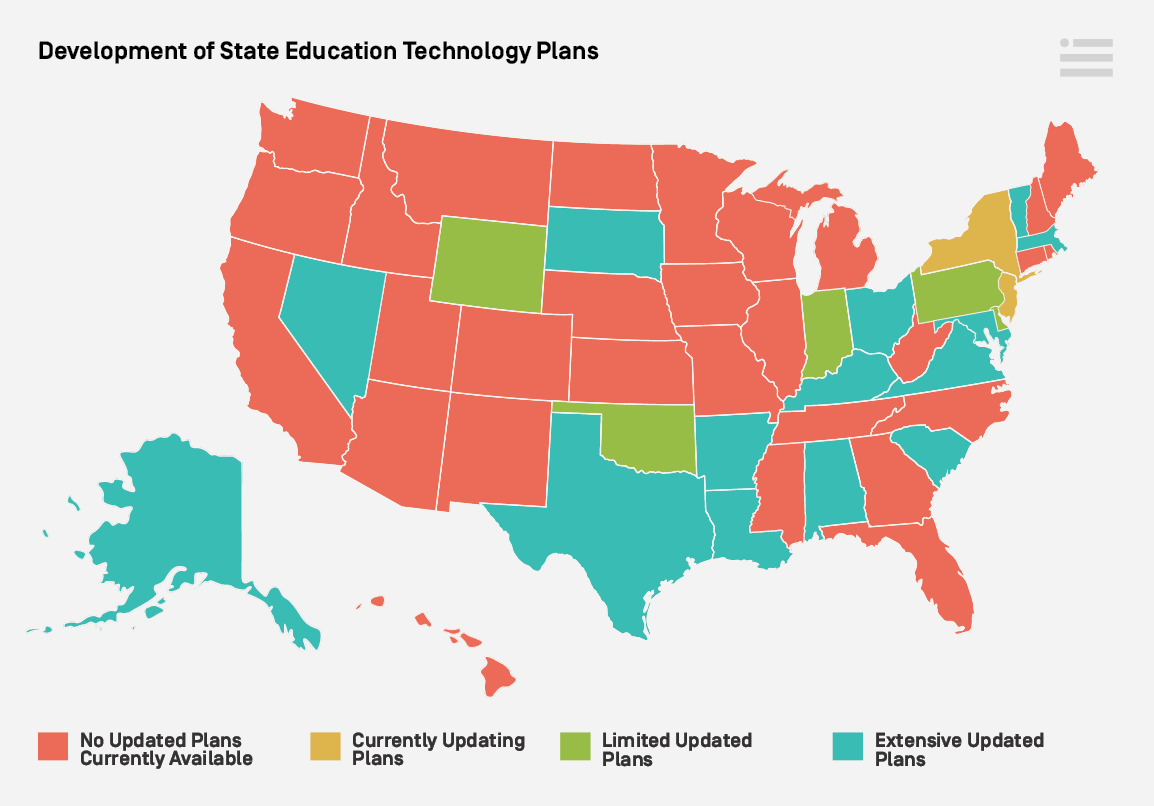
Ed Week’s look back to 1989 could just as easily be a look back on 2012.

New America and the Joan Ganz Cooney Center are analyzing the marketplace of apps that say they help children learn to read and communicate.

Print books or ebooks: Which are better for helping children learn to read?

Can one the experience of one Maine family offer lessons on literacy to the rest of the country?

A sneak peek at early findings from our analysis of the marketplace for literacy apps. From Seeding Reading by the Joan Ganz Cooney Center.

Even as digital tools threaten to render textbooks obsolete, our textbook policies may yet haunt the quality of instructional materials.

You may be wondering: What is the link between home visiting and children learning to read?
The event, "Seizing Opportunity in the Digital Age," put a spotlight on the difficulties of incorporating ed tech into classrooms.

Recent efforts to reduce the “word gap” between affluent and low-income families have garnered headlines and big bucks.

Why shouldn’t public schools have Wi-Fi too?

How families got on board with Ounce of Prevention to promote their kids' literacy.
An interview with Northwestern University's Alexis Lauricella to learn about an initiative that texted parents to help build kids' literacy.

personalized learning is the object of much hope for those who see technology’s potential for improving education.

Parent University uses texts to remind parents to interact with their young children to boost their language development.