
New Report Challenges Assumptions About First-Time Homebuyers in High-Cost Regions
First-time homebuyer programs are helping people purchase and stay in their homes while building household wealth even in high-cost markets.
Big ideas, bold solutions. Explore the latest research, analysis, and policy insights from our experts.
First-time homebuyer programs are helping people purchase and stay in their homes while building household wealth even in high-cost markets.

From The Rooftop: Even when housing projects clear zoning hurdles, financing gaps impede construction. California housing finance innovators are changing that.

This updated analysis of annual eviction trends in Washington, DC, examines eviction filing data from June 2025 through February 2026.
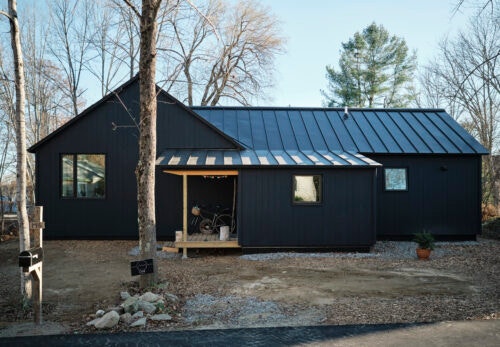
Architect Andrew Frederick talks with The Rooftop on how to

On The Rooftop: Alameda County, CA is piloting innovations to make missing middle h…

Climate risk expert Alice Hill spoke with The Rooftop about housing affordability, homeowners insurance, and climate change.

Ahead of climate migration, Cincinnati should prioritize boosting access to its many older, affordable homes.

Grace Arlan with the Flagstone Initiative spotlights their innovative model for upstream eviction prevention: no-interest rent loans.

FLH's Yuliya Panfil and Sabiha Zainulbhai wrote for Greater Greater Washington on the need for better eviction data in DC.

Insurance industry profit motives conflict with our need for protection. Public insurance, coupled with proactive risk reduction, can help.

Read about New America's Eviction Data Response Network 2026 application opportunity, which closed March 3, 2026.

FLH's Yuliya Panfil was quoted in a Dwell Magazine article about financing barriers making it difficult to buy affordable homes.
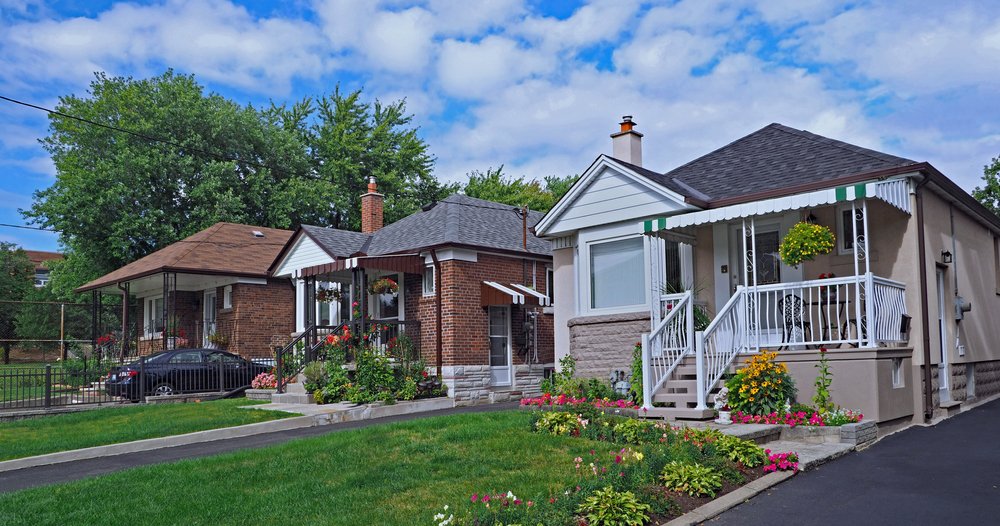
Millions of American homes cost under $200k, but barriers to financing make them inaccessible to families who can afford them.

Explore our recap report and highlight reel on the goals and outcomes of the inaugural cohort of the Eviction Data Response Network.

The U.S. has two distinct types of housing markets. The housing solutions pursued in each should differ.