
The Quest for Accurate, Accessible, and Relevant Materials for Teaching American History
In the second part in our series, we describe the context behind bringing a fuller picture of America's story to classrooms.
Big ideas, bold solutions. Explore the latest research, analysis, and policy insights from our experts.
In the second part in our series, we describe the context behind bringing a fuller picture of America's story to classrooms.
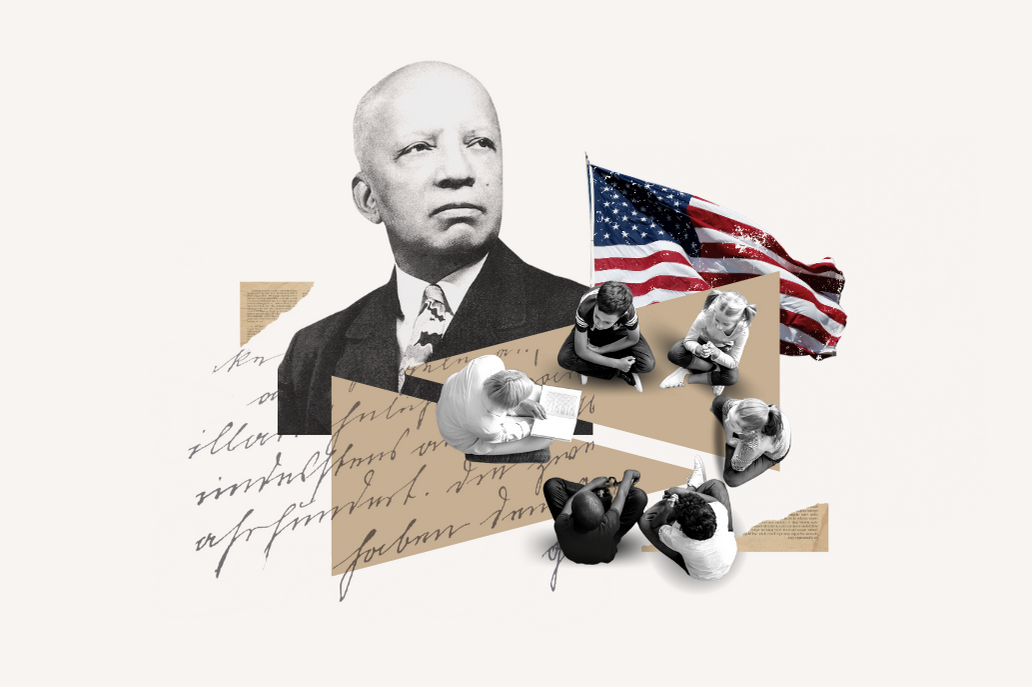
This brief is the first in a two-part series about a promising model for creating online libraries that can guide teachers.

Invention education is a pedagogical approach to learning, where educators help students define and build solutions for real-world problems.

Learning how to effectively use OER, and providing related professional development for educators are worthwhile investment.

Meeting Black girls where they are is key for helping them reach their full potential in literacy and digital inclusion.
Media representation of Native people can be helpful for integrating Native history, culture and people in educational experiences.

The World Librarians program uses open and publicly available materials to support Malawi students who have limited internet access..
Students learn best when they have educational materials that reflect their own backgrounds and open windows for seeing differences.
Understanding the experience of people within AANHPI communities offers guidance on how to improve learning experiences for students.

Meet the 2022-24 LSX Fellows: mid-career professionals—across five sectors and eight countries—focused on children's learning, ages 2 to 12.

An LSX Project in which caregivers share children’s voices as they talk about culture and friendship, around the world.
This LSX project brings families 10 gamified activities, all based on early math development, to share via video on social media.

An LSX group highlights how caregivers can support children's learning by simply using maps, stopwatches, and the camera on smartphones.

Designers of educational materials discuss critical factors to ensure culturally responsive education

States and districts should prioritize differentiated supports for these students moving forward.