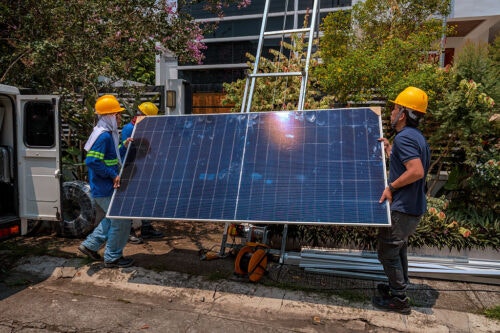
Could the Iran War Accelerate the Energy Transition?
The Iran war has spurred clean energy development overseas. Could the United States be next to reduce dependence on oil and gas?
Big ideas, bold solutions. Explore the latest research, analysis, and policy insights from our experts.
The Iran war has spurred clean energy development overseas. Could the United States be next to reduce dependence on oil and gas?
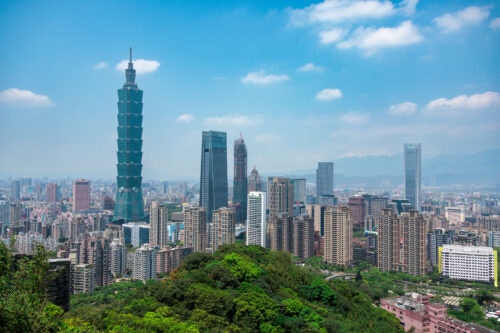
Middle powers have more power to shape AI governance than we think. Three experts explore where they can act.
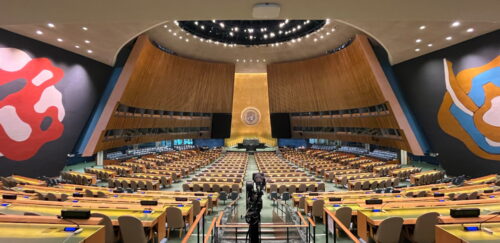
As the multilateral order frays, building effective coalitions will be essential to sustaining international cooperation.

International policy analyst Gordon LaForge recommends must-reads for understanding global conflict and power.
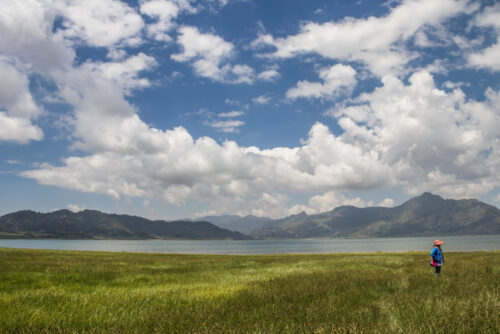
Heela Rasool-Ayub chats with Zócalo Public Square about economist Joseph Stiglitz, Afghan food, and the highlands of Ethiopia.
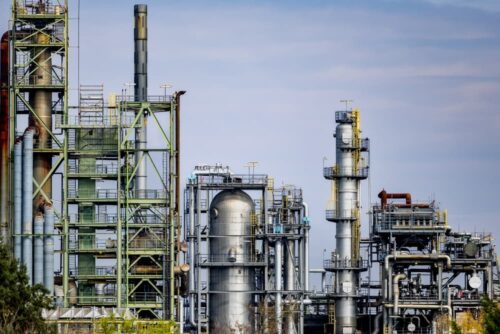
The energy transition benefits everyone. The narrative should reflect that.

Caught between the U.S. and China, middle powers and small states have a third option: each other
‘Polyamory’ is the new norm in geopolitics.
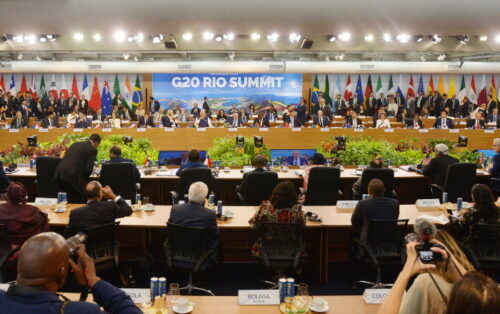
Decisions made at the G20 can either reinforce structures that concentrate wealth and power—or open pathways for more equitable approaches.
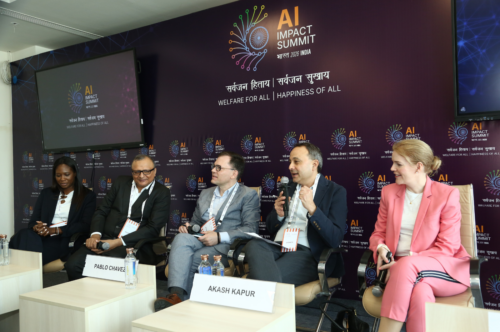
For middle powers, the logic of banding together is undeniably compelling at a time of escalating great power coercion.

Gordon LaForge speaks with Fast Company about Starlink in the context of the Iran internet blackout.
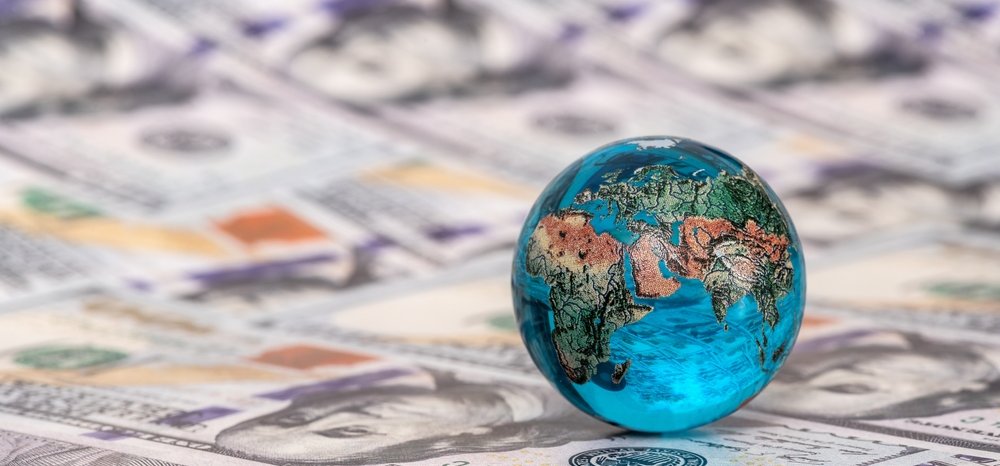
Central banks say they safeguard global stability. Their failure to confront climate risk is now a risk in itself, argues Heela Rasool-Ayub.
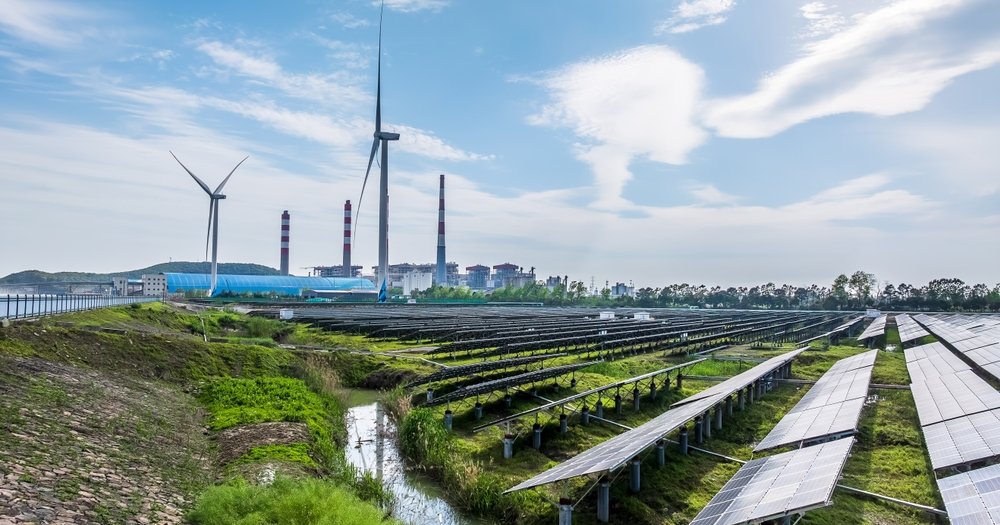
How is U.S. withdrawal from the Paris Agreement spurring competition between China and the E.U. to dominate climate leadership?

A clean energy transition that benefits the Global South will require systemic changes to current geopolitical infrastructure.

Heela Rasool‑Ayub offers DNA of the News a compelling lens on the modern intersections of geopolitics, climate, and equity.