
Kindergarten Entry Assessments During COVID-19: How are States Adapting?
Just as teachers, students, and families are being asked to adapt to this entirely new world of education, KEAs will need to do the same.
Big ideas, bold solutions. Explore the latest research, analysis, and policy insights from our experts.
Just as teachers, students, and families are being asked to adapt to this entirely new world of education, KEAs will need to do the same.

Micro-credentials have the potential to help change the bureaucratic culture of educator professional learning and advancement

How do we ensure our home care aide workforce has the knowledge and training it needs to successfully care for people during this difficult

Technology has the potential to scale high quality coaching to a larger number of students.


The agency will proactively reach out to 9 million likely eligible people who have not gotten a payment, but it can and should do more.
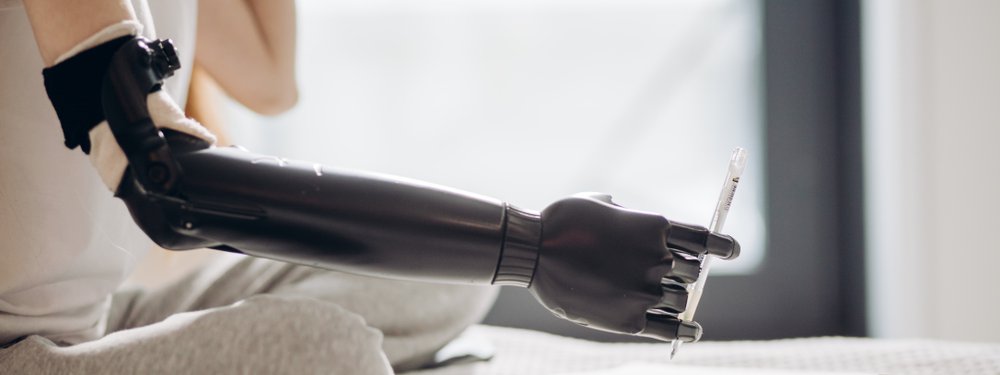
Prosthetics are much more than assistive technology, writes Sara Hendren in What Can a Body Do?
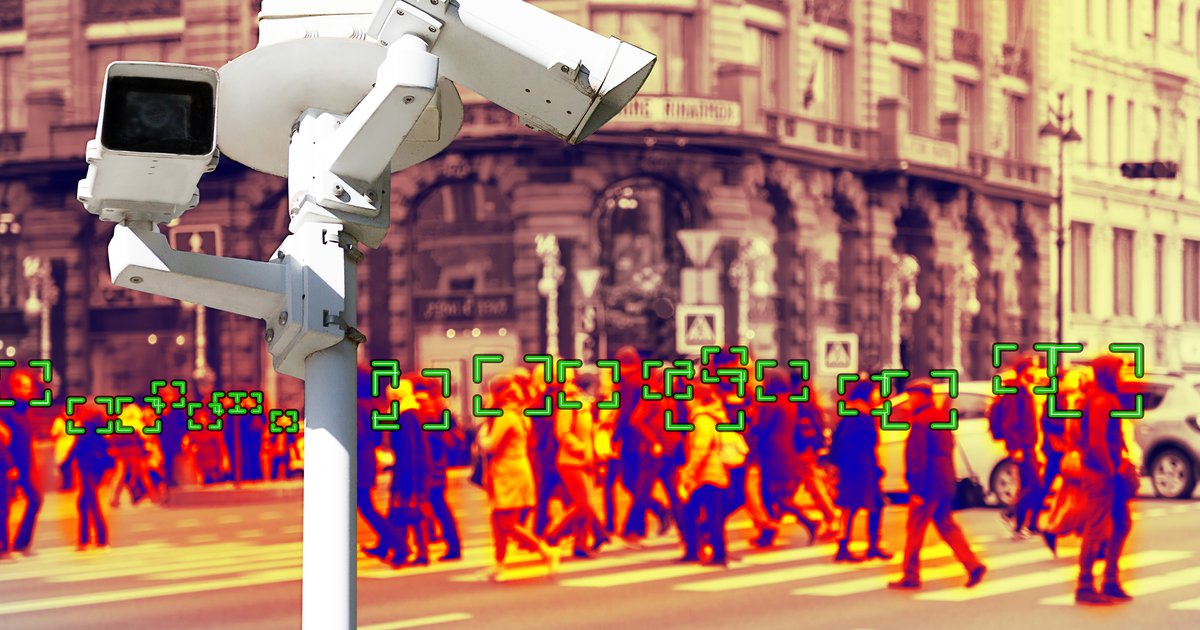
D.C. residents must have input into whether, what, and how surveillance technologies are used on them.

When we talk about defunding the police—we can’t forget about the role of civil asset forfeiture in police budgets.

Five tips from PIT-UN member institutions to build relationships and increase collaboration around PIT.

Congress must fund colleges in next COVID-19 stimulus.

The new graduate certificate in Human Rights and Technology aims to bring greater tech expertise to the human rights space.

More work is needed on defining and measuring the active ingredients that drive children’s school readiness gains in pre-K programs

PIT UNiverse talks to Harvard researchers about on-campus pilot projects to implement digital COVID-19 contact tracing.

Congratulations to the 2020 Middle Eastern and North African American National Security & Foreign Policy Next Generation Leaders