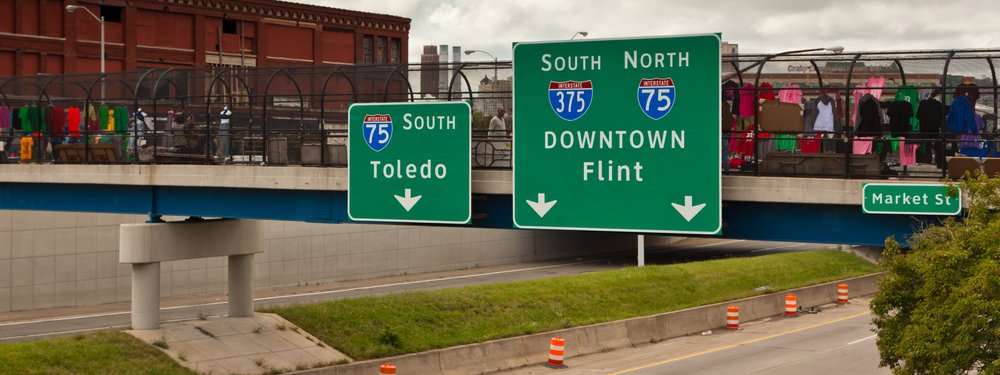
Why Flint Was Avoidable
Pamela Puchalski explains the mistakes that led 100,000 people to drink toxic tap water—and how we can ensure we don’t make them again.
Big ideas, bold solutions. Explore the latest research, analysis, and policy insights from our experts.
Pamela Puchalski explains the mistakes that led 100,000 people to drink toxic tap water—and how we can ensure we don’t make them again.

Last year's collapse of the Corinthian Colleges made widely known to many: reform in higher education is necessary.
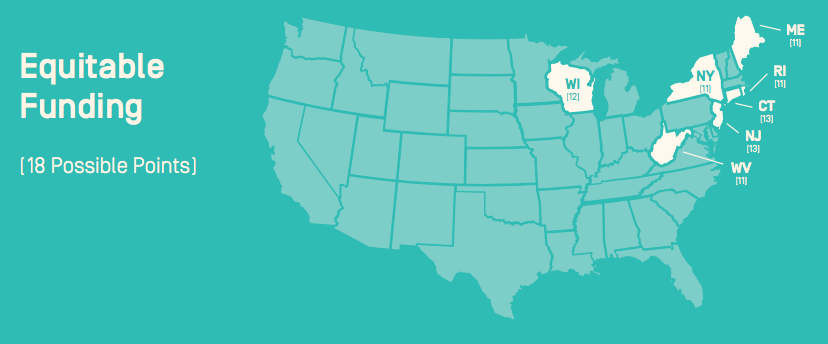
It's not all about money, but money does matter.

Can something as simple as the type of toy an infant plays with affect language development? The answer appears to be yes.

Hollie Russon-Gilman argues that the narrative of our broken democracy doesn’t tell the story of the citizens who are trying to fix it.

Two views on whether the sheer number of Republican primary debates is helping or hurting the Grand Old Party.
The San Diego tide is high, writes Matthew Baldwin, but data that could make a difference is holding on.

A paradox in language immersion learning is happening in NY, a rise in native English speakers, while non-English learners are declining.

Jane Greenway Carr writes of Mei Fong’s new book, which tells the tale of how China’s one-child policy came to be, and why its reversal come
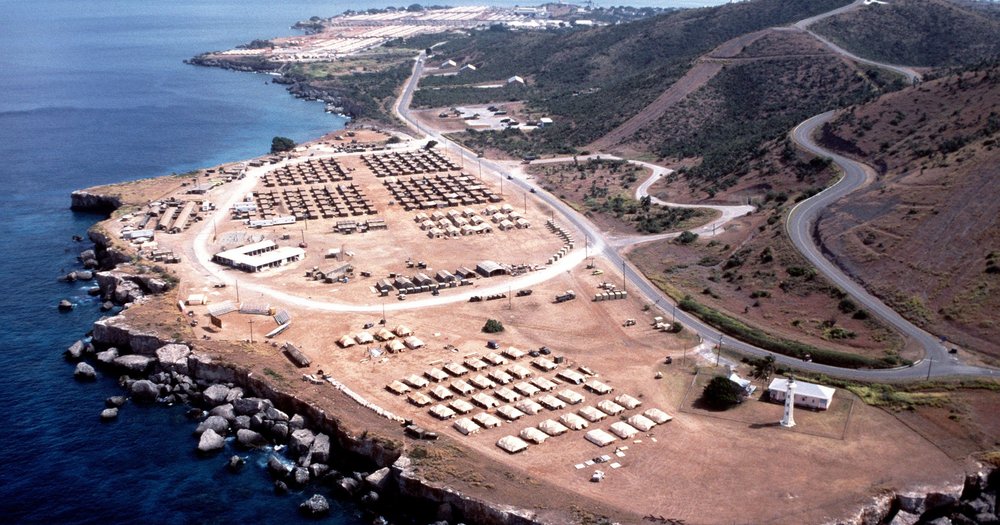
The time is ticking on Obama’s promise to close the detention center at Guantanamo Bay, writes Elena Zinski.

President Obama mentioned foreign and defense policy more than ever before in his State of the Union. Jeff Eggers on why that shift in the q

Members of EDUCAUSE have named their top priorities for 2016.
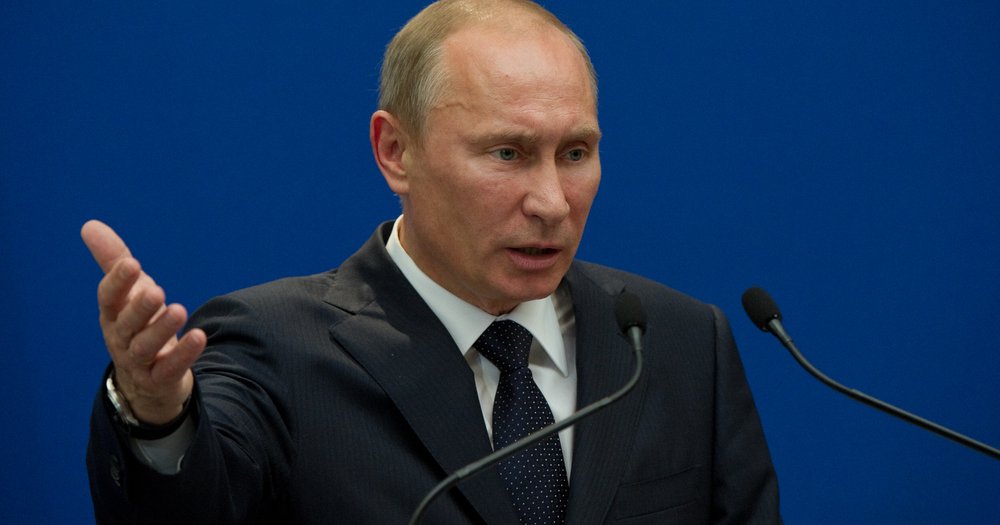
Emily Tamkin examines the one point on which critics of Russia and America agree.

What happens to Internet life as we know it when unlicensed radio frequency spectrum becomes exhausted? Emily Hong discusses.

Dragana Kaurin was a refugee from the Bosnian War. Now she reflects on what she wishes she could teach those fleeing Syria—and what the rest