
For Cybersecurity Leaders, it’s All About Mindset
Why seeing personal and professional roadblocks as opportunities for growth - rather than potential failures - can make all the difference.
Big ideas, bold solutions. Explore the latest research, analysis, and policy insights from our experts.
Why seeing personal and professional roadblocks as opportunities for growth - rather than potential failures - can make all the difference.


On January 16, 2018, the Department of Justice and Department of Homeland Security released a report on foreign terrorist entry.


We create different forms of technology in order to solve a problems and make our lives easier, so why do we resist technological changes?



Albert Hirschman, in his classic work Exit, Voice, and Loyalty, states that in declining firms, organizations or states can either “exit”...
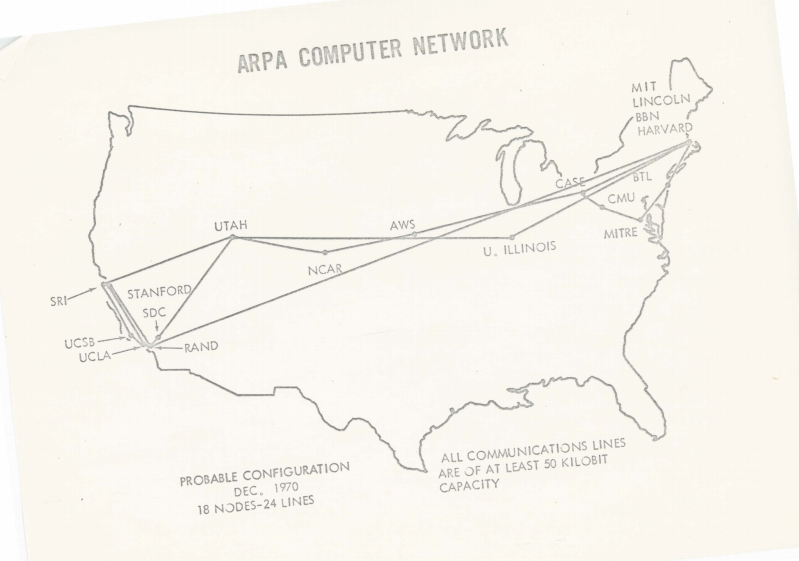
There is said to be a single hook around which much of the scholarship on cyberspace evolved.

In this post we suggest that the concept of cyberspace enables a form of exceptionalism, similar to “American exceptionalism”.

Descriptions of cyberspace can be split into two main types: substantive and implied.

In many early uses of the term, cyberspace had clear connotations of achievement or approval.

Over the last few decades there has been a proliferation of the term “cyber”, and commensurate levels of inconsistency.


David Sterman and Albert Ford explain why tightening immigration policy will not do much to quell to the current terrorist threat in the US.