
New Research on How States can Control Tuition Growth
New research finds that decentralized tuition setting authority and fixed caps on its rate of growth are associated with higher tuition.
Big ideas, bold solutions. Explore the latest research, analysis, and policy insights from our experts.
New research finds that decentralized tuition setting authority and fixed caps on its rate of growth are associated with higher tuition.

The language diversity in Centennial School District is a testament to the demographic changes the city has undergone.

States have been deciding for themselves whether undocumented immigrants can pay in-state tuition at public colleges and universities.

Don't like the federal government's role in public education? That doesn't mean states and districts can do any better on their own.

Technology is what connects the widely dispersed community of students at Central Arizona College.

GLAD began as a series of instructional strategies developed in the 1980s to teach academic content to ELLs.
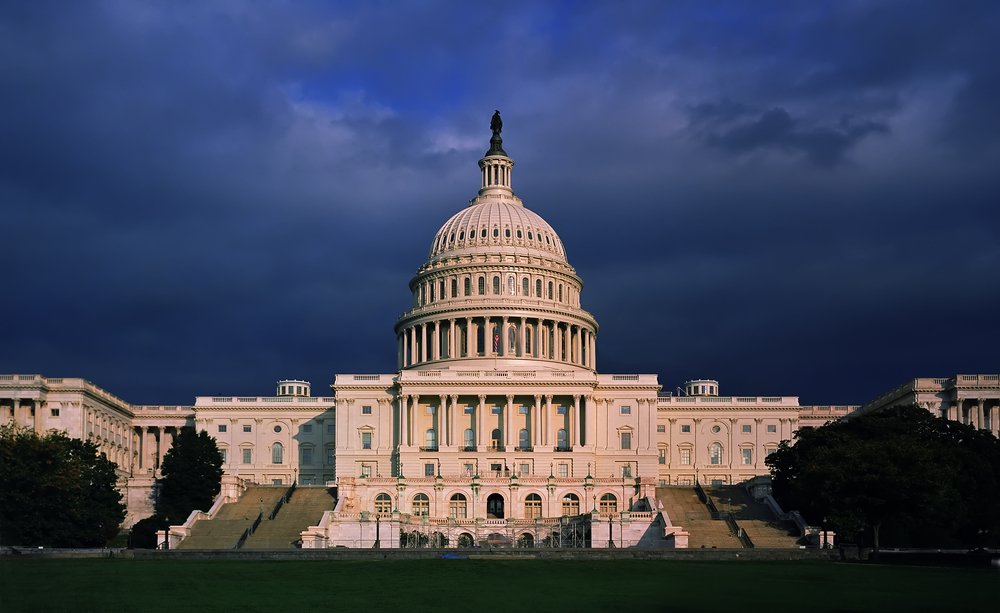
In a surprise act of bipartisanship, the Senate passed the Every Child Achieves Act (ECAA), with re-authorization of No Child Left Behind.

Amaya Garica discusses biliteracy with Karen Beeman. This is part one.


The Gates Foundation's proposed method for simplifying the FAFSA wouldn't change financial aid awards by much.

In most American schools at least one out of every ten students will be classified as special needs.

The Gates Foundation proposes a new way to simplify the FAFSA, a move to help families realize their college dreams.

The Language Access amendment intends to create accountability provisions for D.C. agencies to fully implement the Language Access Act.

New models of community college are offering more flexibility, but is this model addressing the major challenges?

How are we preparing teachers to work with dual language learners? Can we improve?