
An Explainer: Non-degree vs Non-credit programs
Across the board, many stakeholders consistently confuse and conflate “non-credit” and “non-degree”.
Big ideas, bold solutions. Explore the latest research, analysis, and policy insights from our experts.
Across the board, many stakeholders consistently confuse and conflate “non-credit” and “non-degree”.

Training teachers in social and emotional learning proved invaluable in helping one California community survive the pandemic.


Here are six strategies colleges in our convening are using to help students come back to college or stay enrolled.

Local education leaders offer insight on how to assess ELs’ needs when standardized testing goes awry.

Minnesota is addressing the lack of teacher diversity by developing Grow Your Own programs that meet teacher candidates needs.

The Education Department finally released an evaluation report testing Pell Grants for short-term programs. Its findings disappoint.

Transparency must be provided over the $190 billion going to K-12 education to ensure it’s reaching the students it was intended to serve.
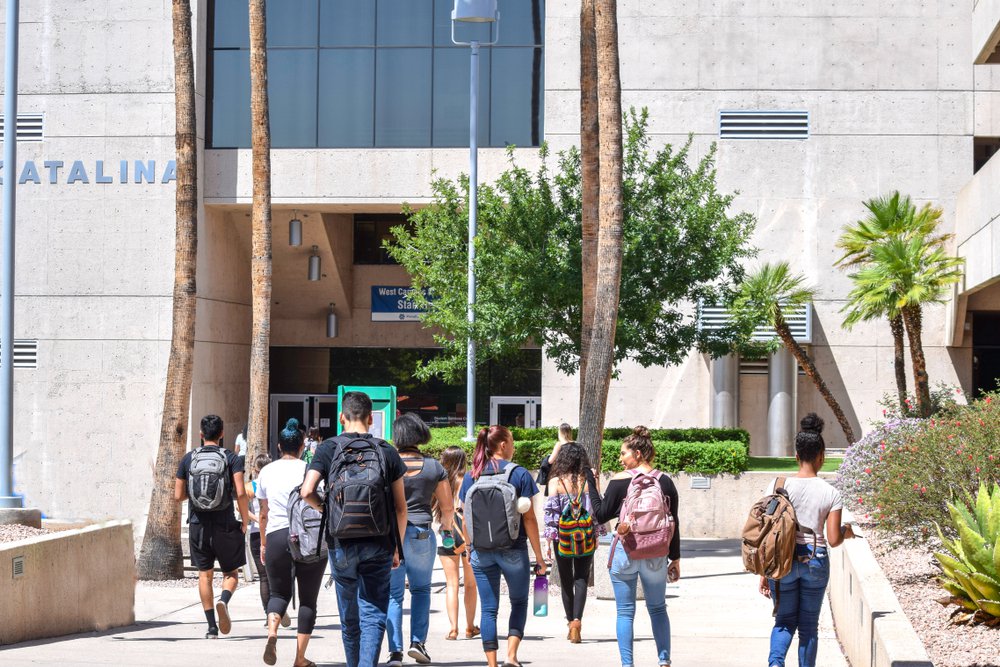
In this post, we present an overview of the various demographics of continuers, transfers, stop-outs, new students, and aspirants.
No one expected the steep decline of men enrolled in community college this past fall. We explore why they left.

Millions of Americans who have some credits but no degree are having their transcripts held hostage by their colleges due to unpaid debts.
Prior learning assessment can increase student completion rate and shorten their time to degree. But not many students are using it.

After months of struggles and confusion, students should be treated with a little more grace when it comes to the sometimes complicated proc


The Master Plan is a powerful strategy for improving opportunities for California’s youngest children.