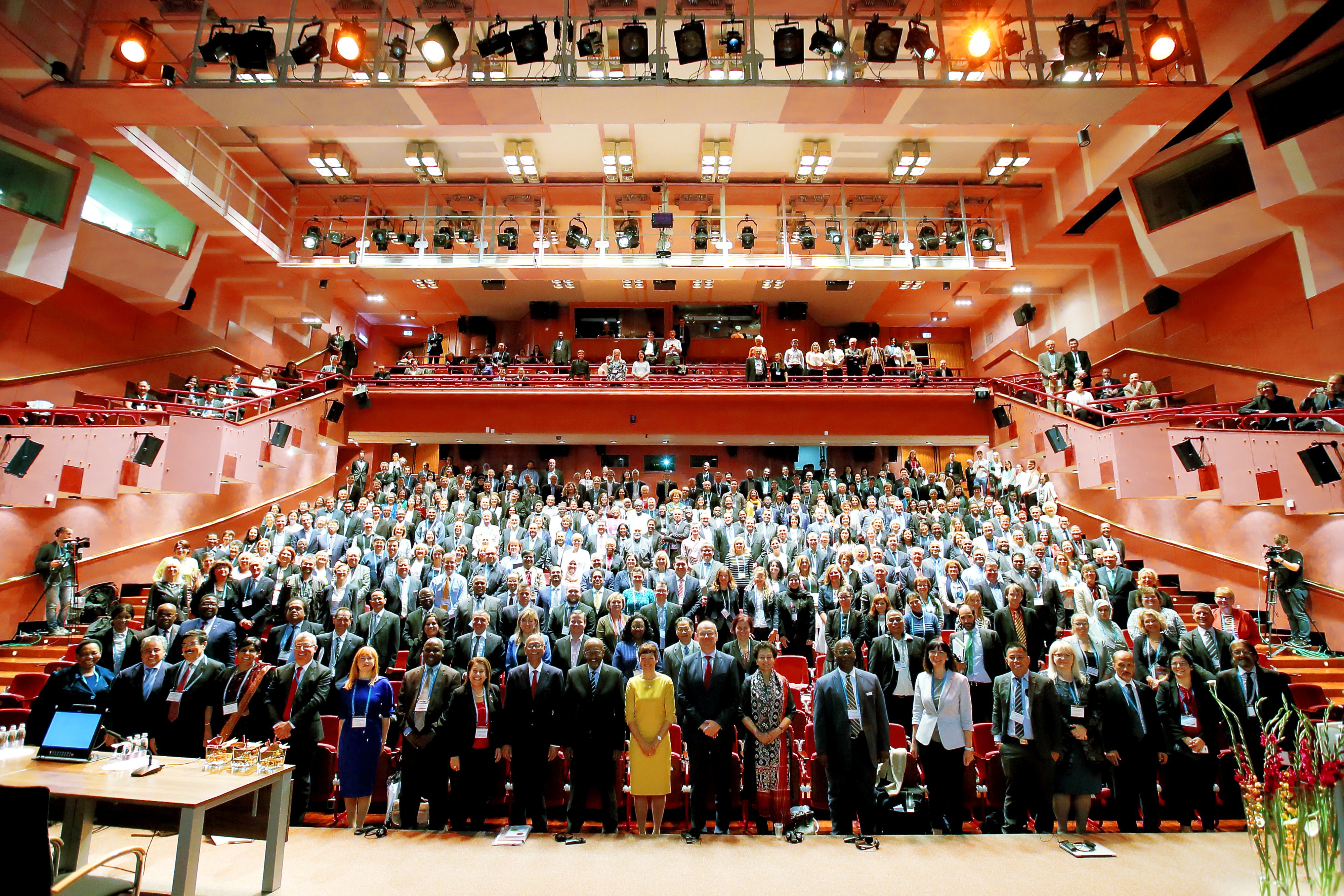
The Promise of OER: More Equitable Education For All
At the Second World OER Congress, global leaders discussed how OER can help ensure inclusive and equitable quality education for all.
Big ideas, bold solutions. Explore the latest research, analysis, and policy insights from our experts.
At the Second World OER Congress, global leaders discussed how OER can help ensure inclusive and equitable quality education for all.

The second post of this three-part series shows how OER facilitate greater connections between the “what” and the “how” of teaching.
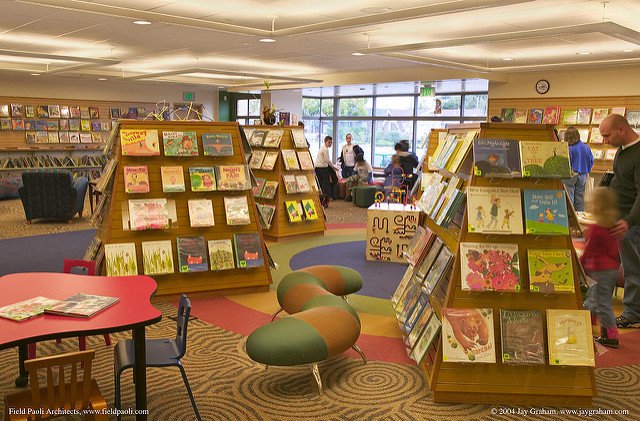
Unpacking a new study of public libraries, including how they work with families and help develop digital literacy skills

Companies are pitching a novel solution to student loans: future income sharing agreements. But they may present new problems for borrowers.
This first post of this three-part series shows how OER have become central to curriculum reform over the past five years.

Youth apprenticeship can be a pathway to prosperity for millions of Americans, but not if equity considerations come as an afterthought.
Higher education researchers often use Pell as a proxy for the low-income students a school serves. The reality is more complicated.
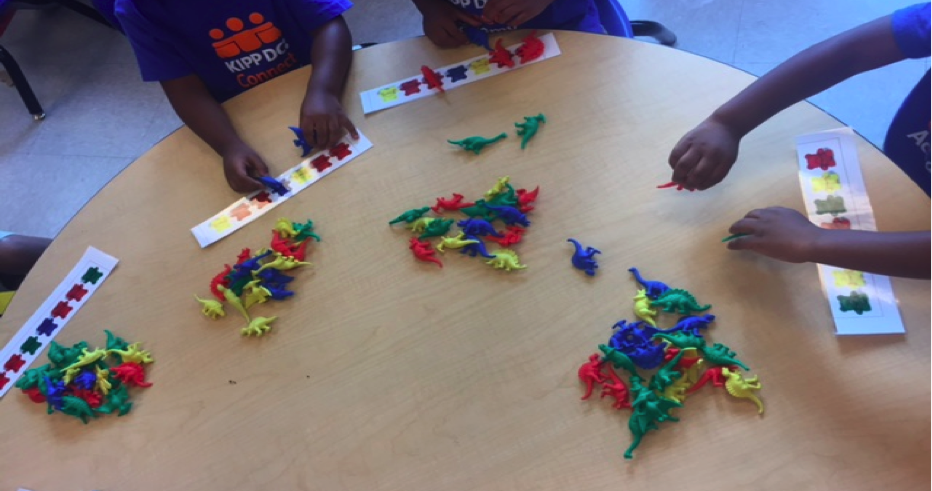
A recent study found promising results for KIPP pre-K students. We visited KIPP DC to see for ourselves.

Two Arizona districts launch dual immersion pre-K programs. Evelyn Baca explores early implementation lessons.

Policy and advocacy organizations have made a public commitment to work collaboratively to improve the early care and education workforce.

The Department of Education launched a new feature where students can compare up to 10 different colleges across a host of data measures.

Overall, 580,671 out of 5,047,954 borrowers who entered repayment in 2014 defaulted on their student loans by the end of 2017.

A bill to expand the use of OER on campuses has been introduced by Congress for the fifth time.

The three-year cohort default rate is a critical measure of institutional quality—but it can also be misleading.
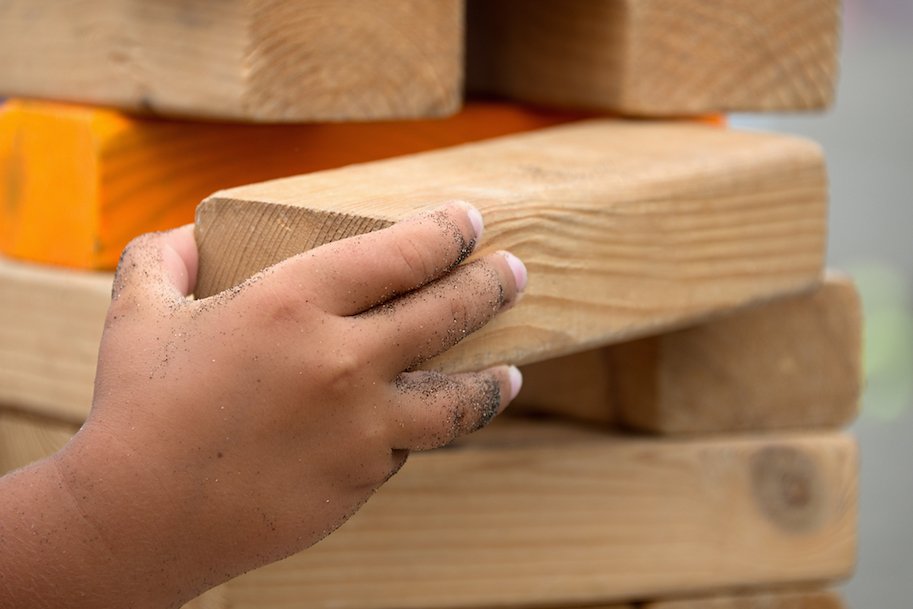
The moments of intense drama that children experience when they test out a new design are the engines that drive STEM practices.