
How State Funding Models Shape Enrollment in Non-Credit Workforce Training
There are higher levels of non-credit enrollment in states that have more robust state funding for non-credit community college education.
Big ideas, bold solutions. Explore the latest research, analysis, and policy insights from our experts.
There are higher levels of non-credit enrollment in states that have more robust state funding for non-credit community college education.

Black and Latino parents experience homelessness at greater rates, reflecting systemic barriers to economic and educational success.

Parenting students need help to pay for child care. States can help by offering postsecondary child care grants that support student parents

Shalin Jyotishi is quoted in an Inside Higher Ed article about CSU’s new partnership with tech giants to boost AI education.

Understanding which programs and strategies connect job seekers to employers is critical to building a globally competitive economy.

Low-income and rural districts, which serve higher proportions of Medicaid-eligible students, would bear the brunt of these cuts.

As AI education expands at community colleges, student voices matter in responding to building quality workforce programs.
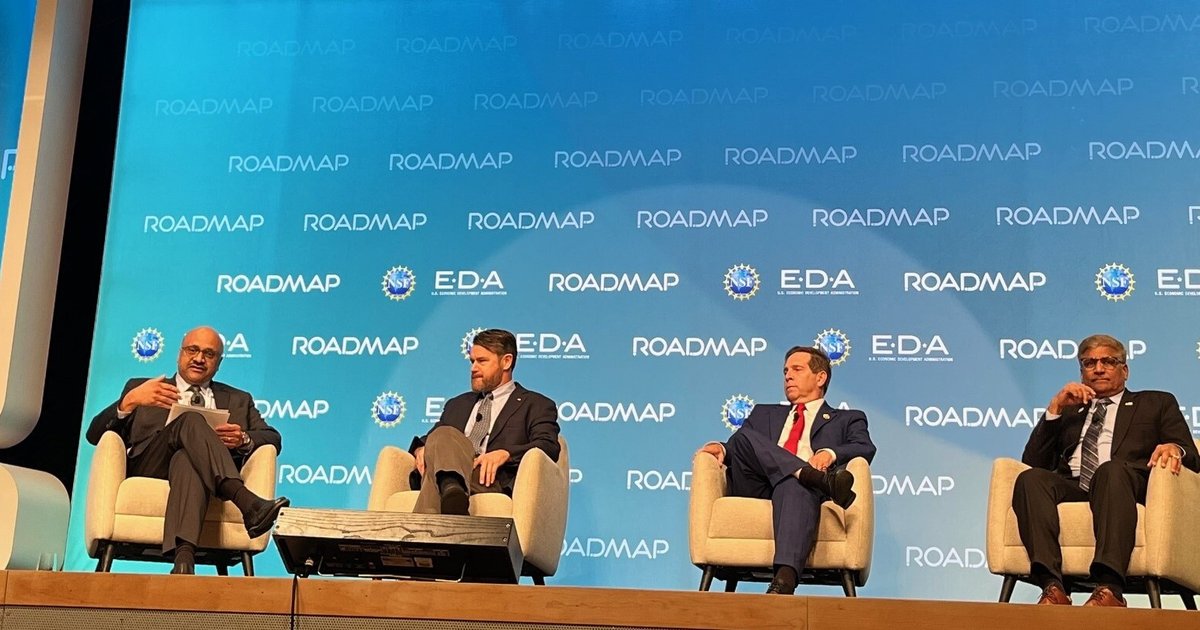
At the ROADMAP Summit, leaders pushed for sustained CHIPS Act investments to support U.S. innovation and tech competitiveness.

The state is making apprenticeship funding more flexible and navigable for practitioners.

On-campus child care centers are not a sufficient to support child care for student parents. We need other supports too.

Shalin Jyotishi is quoted in GovTech sharing how colleges can partner with industry to train workers for careers in AI, cybersecurity.

Sarah Carr highlights the struggles of parents of premature babies to access vital early intervention services in The Hechinger Report.

Mayor Bowser looks to Trump for DC’s revival, but Alex Anacki argues its residents, not return-to-work policies, hold the city’s potential.
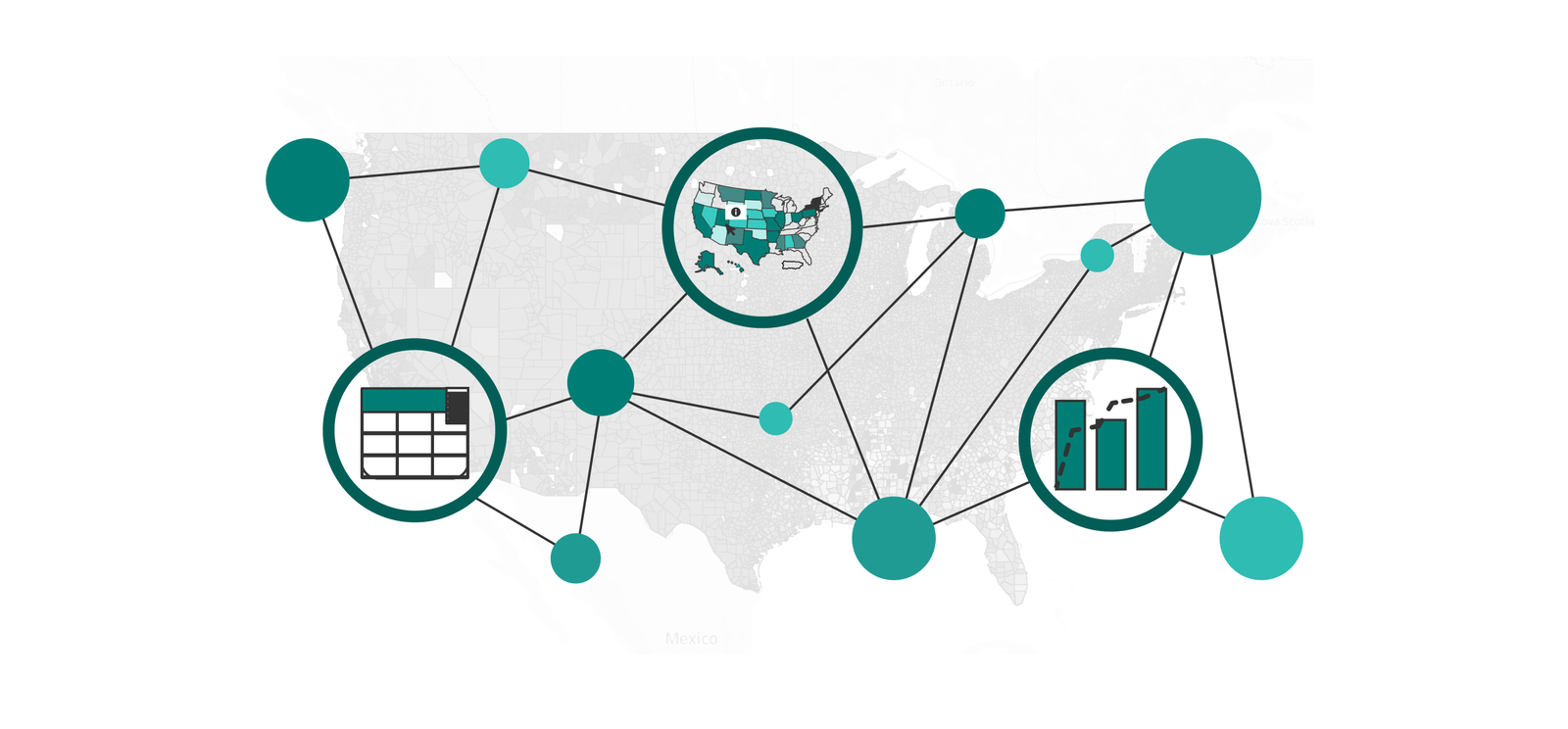

Community colleges work with their local workforce boards to access WIOA dollars in different ways. This blog explores three.