
Project GLAD: So Much More to Learn
GLAD began as a series of instructional strategies developed in the 1980s to teach academic content to ELLs.
Big ideas, bold solutions. Explore the latest research, analysis, and policy insights from our experts.
GLAD began as a series of instructional strategies developed in the 1980s to teach academic content to ELLs.

Two weeks ago some of the biggest names in cryptography published a paper on the threats posed by intentionally weakened encryption. Titled
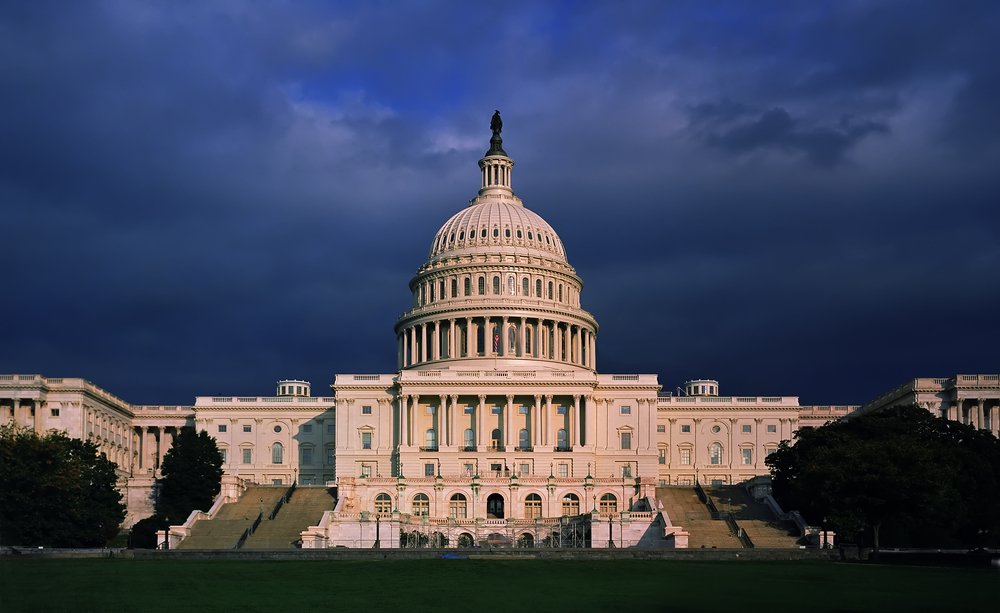
In a surprise act of bipartisanship, the Senate passed the Every Child Achieves Act (ECAA), with re-authorization of No Child Left Behind.
Amaya Garica discusses biliteracy with Karen Beeman. This is part one.


The Gates Foundation's proposed method for simplifying the FAFSA wouldn't change financial aid awards by much.

In most American schools at least one out of every ten students will be classified as special needs.
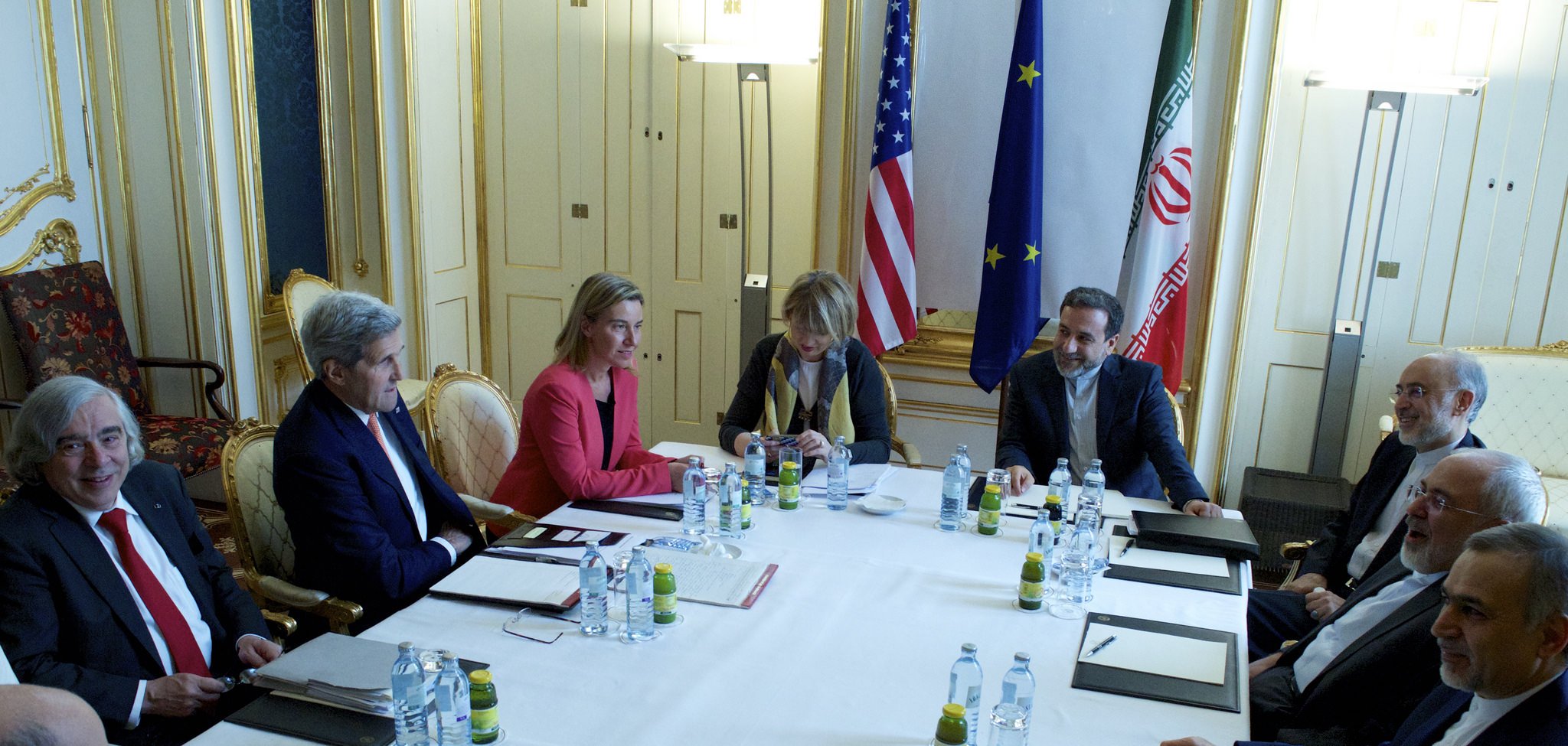
After months of debate, the negotiations have ended. Now that a nuclear deal with Iran is in place, here's what you need to know to stay inf

Azerbaijan's fancy lobbyists are getting a lot of attention these days, but Lincoln Mitchell and Michael Cecire debunk the idea that lobbyin

Justin Lynch examines how - even in the age of dwindling library budgets - people are visiting new labs with 3D printers at their local publ

Myanmar recently announced its first open general election in 25 years, but as Brandon Tensley reveals, this development may not be the land

It might seem counter-intuitive that big corporations are good for social progress. Andrés Martinez outlines how they have lined up to oppos
The Gates Foundation proposes a new way to simplify the FAFSA, a move to help families realize their college dreams.

The Language Access amendment intends to create accountability provisions for D.C. agencies to fully implement the Language Access Act.

To make better public policy for Americans working part-time jobs, we have recognize that they're not all the same. Experts at a recent New