
Episode 13: What Are Ballot Initiatives and How Are They Used?
How can citizens put laws to a ballot vote and what’s threatening that right? Maresa Strano and Chris Melody Fields Figueredo explain.
Big ideas, bold solutions. Explore the latest research, analysis, and policy insights from our experts.
How can citizens put laws to a ballot vote and what’s threatening that right? Maresa Strano and Chris Melody Fields Figueredo explain.

The Department of Labors' proposed rule will shrink apprentice equal opportunity protections and employer accountability.

Candace Rondeaux writes in World Politics Review that rising pressure on Russia could give the U.S. a rare chance to seek concessions.

Shalin Jyotishi highlights how community colleges, often missing from policy conversations, are already central to scaling AI education.

Emerging powers are not prizes in a US–China contest, says Arindrajit Basu, but sovereign actors in global cyber governance.

Climate change is eroding the promise of homeownership. We need innovations to protect our communities.

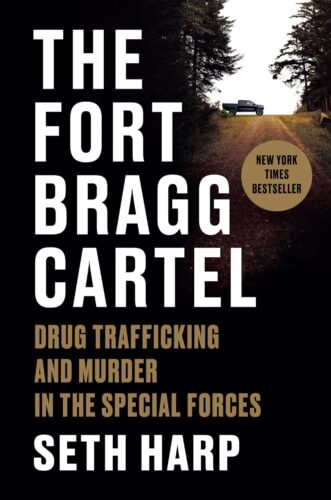
New America Fellow Seth Harp discusses a dark ripple effect of American “forever wars” that he covers in his new book.

Many U.S. households don’t know that the government owes them money. Here are ways states can connect people to those benefits.


Maresa Strano wrote for The Fulcrum on the importance of citizen-led ballot initiatives in the fight against democratic backsliding.

The Republican budget reconciliation bill puts parenting students at deeper risk of losing access to college and basic needs security.

Maresa Strano and Matt Rothschild wrote for Wisconsin State Journal, arguing for instituting citizen-led initiatives in Wisconsin.

“There are other ways we can advance our fight for consumer protections and ISP accountability,” says Raza Panjwani.

Heela Rasool-Ayub argues that debtor countries must unite through shared resources & data to reclaim agency in the global financial system.