
Zooming in: A Close Look at Literacy Practices in Low-Income Latino Homes
Dual language learners (DLLs) come from linguistically, culturally, and economically diverse families.
Big ideas, bold solutions. Explore the latest research, analysis, and policy insights from our experts.
Dual language learners (DLLs) come from linguistically, culturally, and economically diverse families.

Early intervention programs are fundamental to reducing the number of Americans who are functionally illiterate.

How long does it take dual language learners (DLLs) to learn English? The general consensus is that it can take up to three to five years.
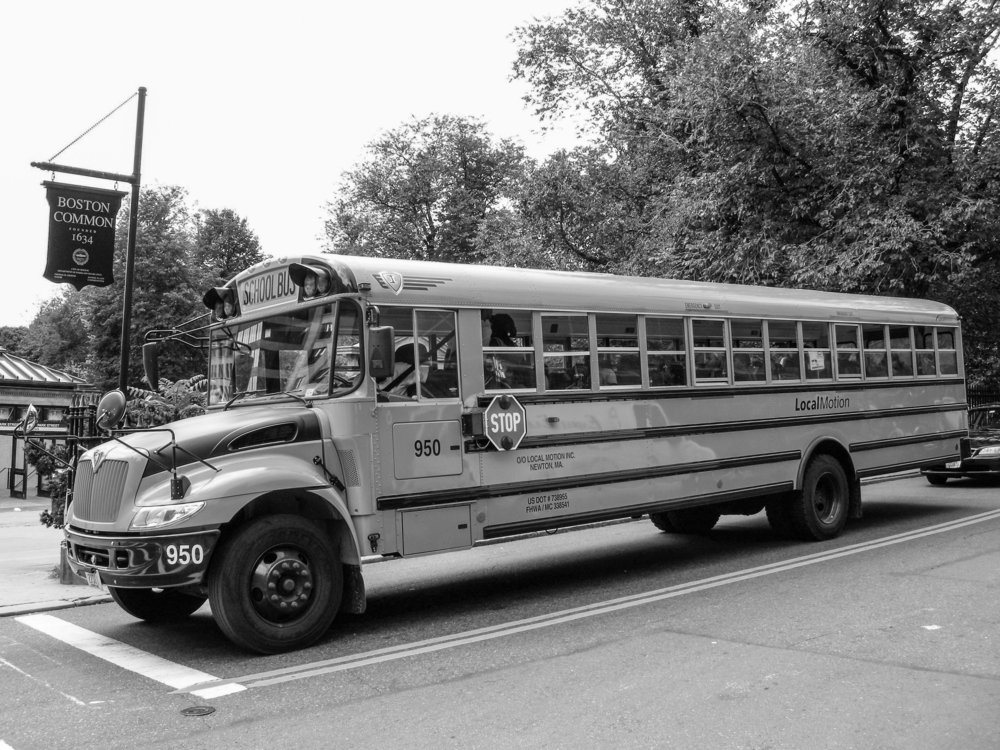
For most adults, Labor Day marks the end of the summer months, but for educators and children, it marks the beginning of a new school year.

With new teacher preparation regulations being released soon, new research raises potential doubts on measuring quality of teacher.
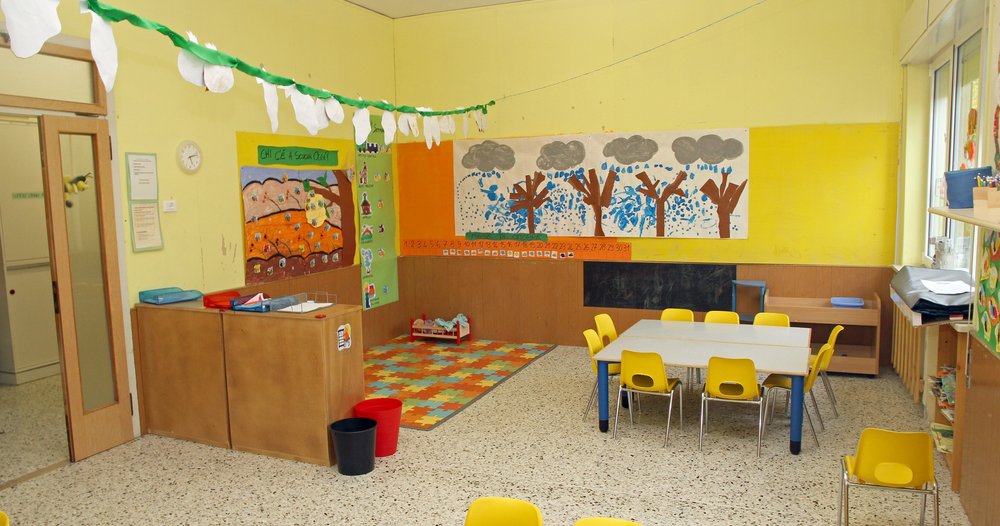
Fifty-three percent of the principals said they had pre-K programs in their schools, but only 1 in 5 felt well-trained in instruction for ea

Dr. Conor Williams answers questions on bilingual education and the research behind learning languages in the early years.

The House and Senate committees have set spending levels for key ED and HHS programs much lower than the President's requested amount.

Isabella Sanchez talks about the "language shift" that many second-generation immigrant students are experiencing in Miami.

Jeb Bush understands that pre-K is politically hot, but that's where his expertise runs out.


The Community Eligibility Provision allows districts with 40% or more students receiving free lunch to offer free meals to all students.

Analysis of new research report looking at what types of professional development help teachers improve, and recommendations for a new path.


By the age of four, poor children in the United States hear 30 million fewer words than children from middle- to upper-income families.