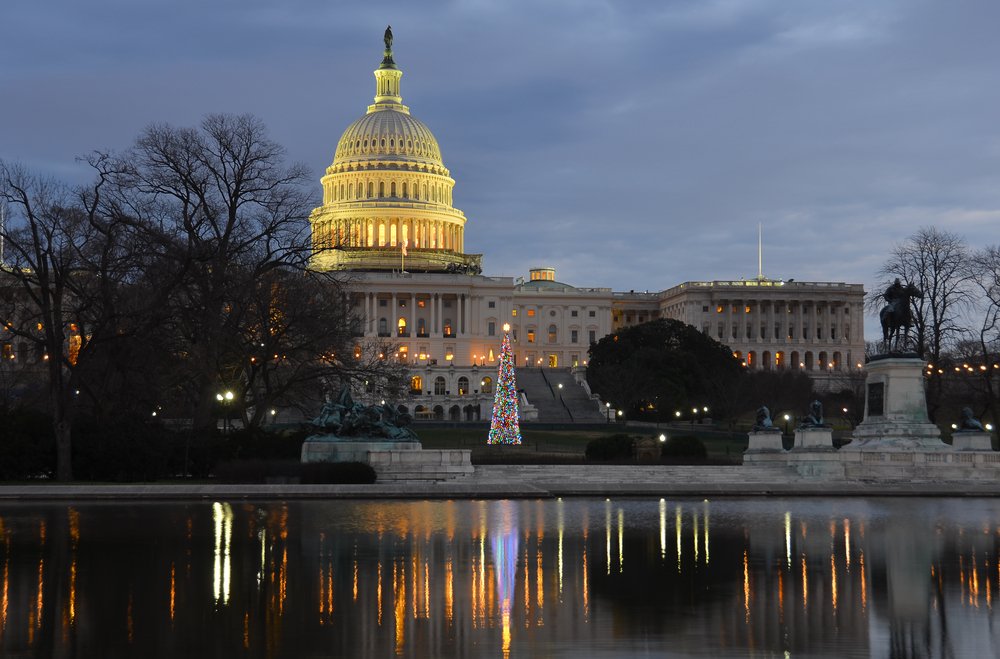
The Year of Career Pathways: Congress Restores the Ability to Benefit
When no one was looking this summer, Congress reauthorized the Workforce Investment Act of 1998.
Big ideas, bold solutions. Explore the latest research, analysis, and policy insights from our experts.
When no one was looking this summer, Congress reauthorized the Workforce Investment Act of 1998.

The proposed regulations put forth requirements for how states & institutions of higher education report on quality of teacher prep programs

This paper makes the case for leveraging new mapping tools to spark fresh conversations and spur collaborative action.

Lawmakers should let this $300 million annual benefit expire and put the money to better use.

According to federal surveys, students who default on their loans tend to have lower debt levels.

Harkin’s gambit is rooted in the Pell Grant budgeting crisis of 2010-2011.

The proposed sale between troubled Corinthian Colleges and the Education Credit Management Corporation (ECMC) is full of sad ironies.

Radically simplifying the FAFSA will lead to a lot of unintended consequences for students.
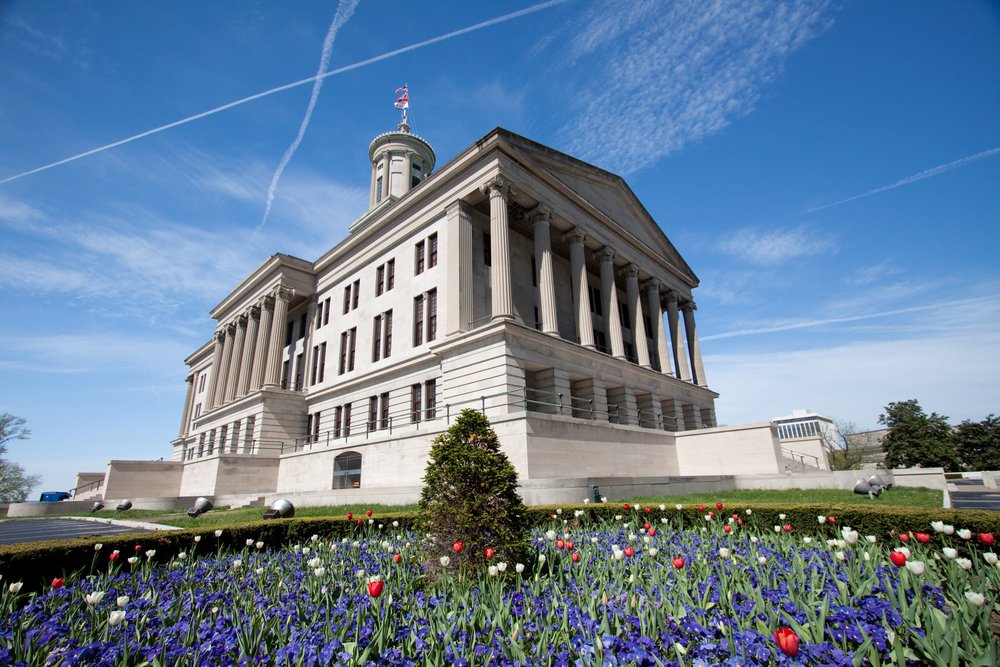
The Great Recession led to a decrease in subsidies for higher education in most states.
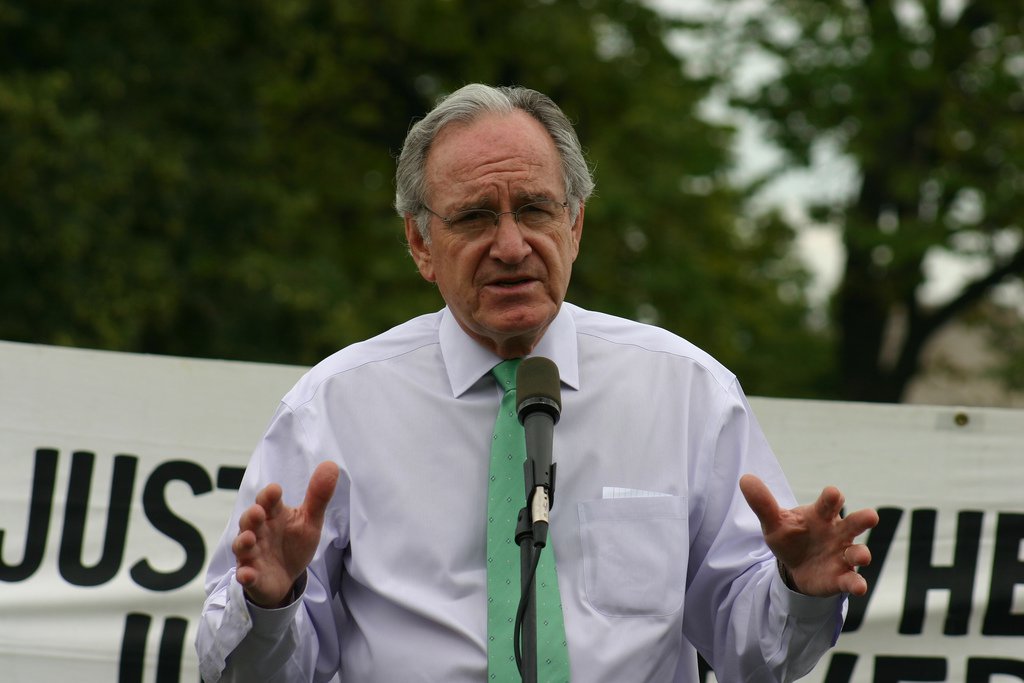
Although much of Sen. Harkin's new Higher Ed Act reauthorization bill is similar to the initial draft, there are a few differences.

If there was one thing Corinthian Colleges excelled at in the last few years it was sending students into debt.


Only in Washington, D.C. can a tiny change of emphasis be portrayed as a “radical policy shift.”

Wave or not, the midterms aren't likely to mean much for federal education policy.

It no longer judges programs based upon the percentage of borrowers that defaulted on their loans within three years of entering repayment.