
Early Insights on How Learning Ecosystems Can Help Kids Thrive
Five questions facing the new National Commission on Learning Ecosystems with preliminary answers from reports and case studies.
Five questions facing the new National Commission on Learning Ecosystems with preliminary answers from reports and case studies.
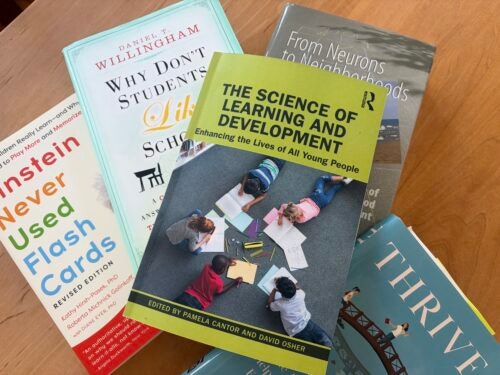
Scientists have uncovered what helps activate learning in children and adolescents. Now the challenge is to apply these insights in and out of school.

Drawing on seven years of unprecedented research and on-the-ground reporting in U.S. prisons, Unreasonable Women is the story of women and violence in America and how survivors are targeted for prosecution.
Virtual
12PM – 1PM EST

One in five young parenting students face eviction each year. New Eviction Lab data show enrollment offers far less protection than it should.
More than one in four American adults identify as disabled, yet disability remains siloed, misunderstood, or overlooked in policymaking, research, and funding. Despite this being one of the largest marginalized communities in the country and the only protected class that nearly everyone will join at some point, disability is rarely embedded in broader policy conversations.
New America’s Disability Policy initiative envisions a country where every policy is inclusive, grounded in lived experience, informed by data, and designed to advance the four goals of the Americans with Disabilities Act: equal opportunity, economic self-sufficiency, independent living, and full participation. We are advancing a bold strategy to embed disability across the national policy landscape, elevating the voices of those with lived experience and directly connecting those perspectives to key policy issues.
Rooted in education, workforce, technology, and community participation, the initiative operates across four strategic pillars:

Removing the program from the Education Department would undermine the ambitions of students and start Hill efforts to shutter the agency.

In-Person
Parkway Central Library
1901 Vine Street, Philadelphia, PA 19103
The Political Reform program produces original research on how electoral rules shape participation, representation, policy, and governance. We examine reforms such as fusion voting and proportional representation, which aim to strengthen political parties, expand electoral competition, and support a more functional and resilient democracy.
Our work draws on partnerships with pro-democracy organizations, including Protect Democracy, Stanford University’s Center on Democracy, Development, and the Rule of Law, and the Center for Ballot Freedom. This portfolio also builds on earlier research on ranked-choice voting conducted through the Electoral Reform Research Group, a collaboration with the American Enterprise Institute, Stanford CDDRL, and Unite America.

GLRN is a first-of-its-kind initiative to empower receiving cities across the Midwest to build more housing in preparation for future climate migration.
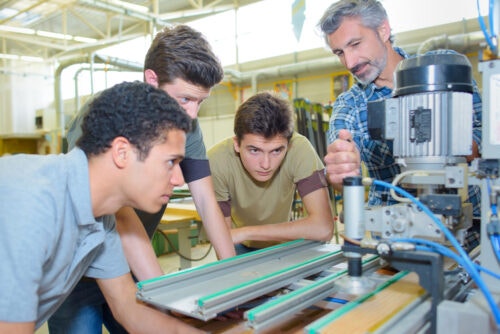
In 2020, 20 percent of students enrolled in postsecondary institutions had a disability. Join NAPE for a webinar exploring gaps in access and their root causes.
Virtual
1PM – 2PM EST

Explore how caregiving students experience housing insecurity, and what institutions, states, and the federal government can do about it.
Virtual
2PM – 3PM EST
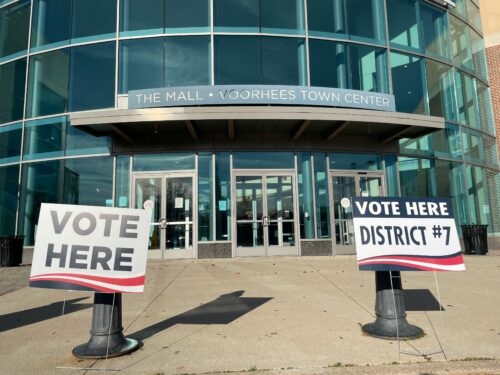
Lee and James chat about the SAVE America Act.

A Trellis and New America survey on housing insecurity for caregiving students produces some of the only data available directly examining how this population experiences housing insecurity—and offers opportunities for action.

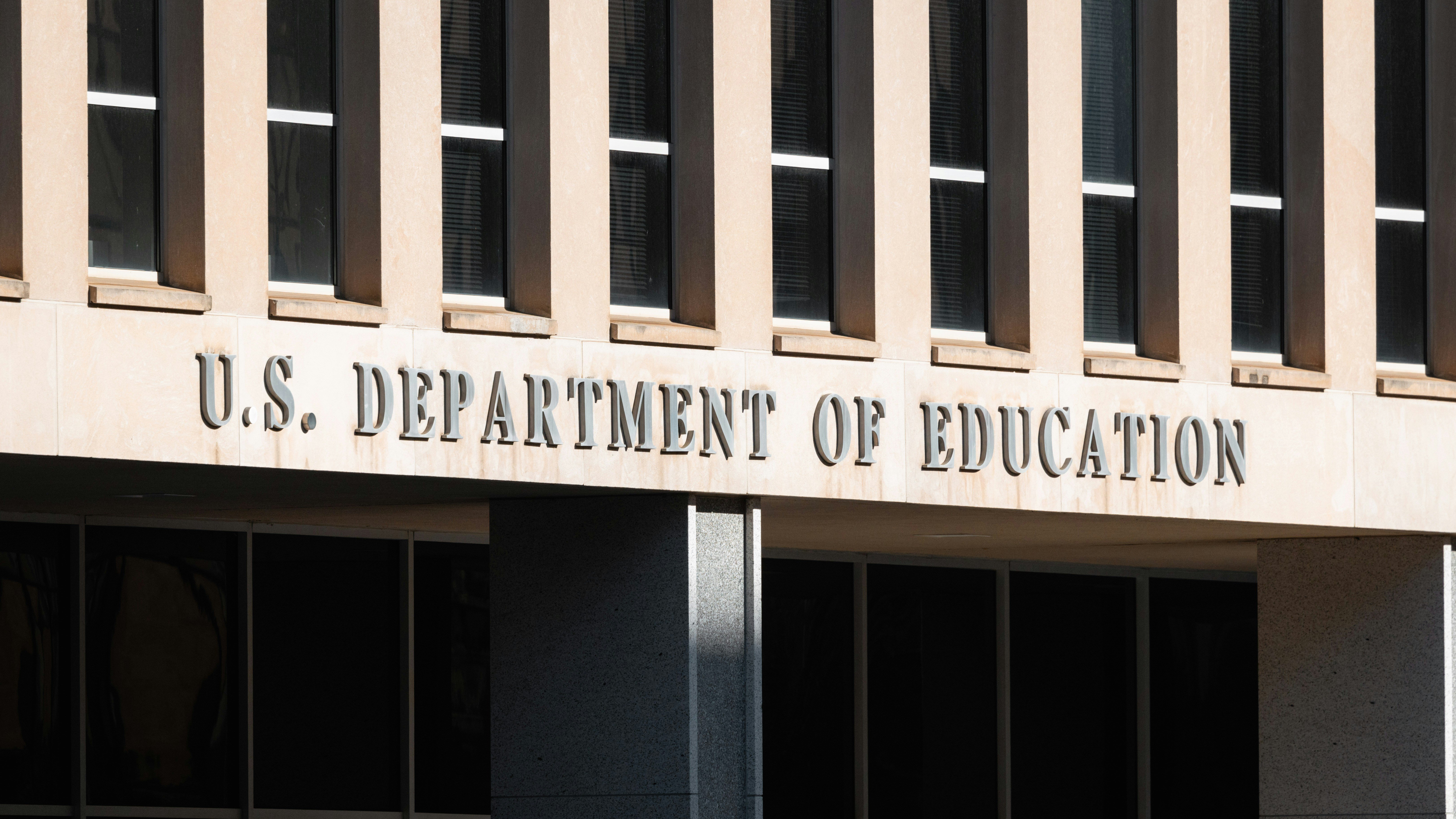
A proposed Education Department regulation reshapes college accreditation, weakening oversight while expanding federal control over higher education.