
Why Community College Bachelor’s Degrees? Similarities and Differences Across Urban and Rural Settings
Community college bachelor’s degrees are making a difference for students in rural and urban communities.
Community college bachelor’s degrees are making a difference for students in rural and urban communities.

The Biden Administration's newly announced National Strategy on Hunger, Nutrition, and Health is a big step for college students.

Raising minimum wages to $15 an hour is one reform college leaders can enact to improve the college student experience.
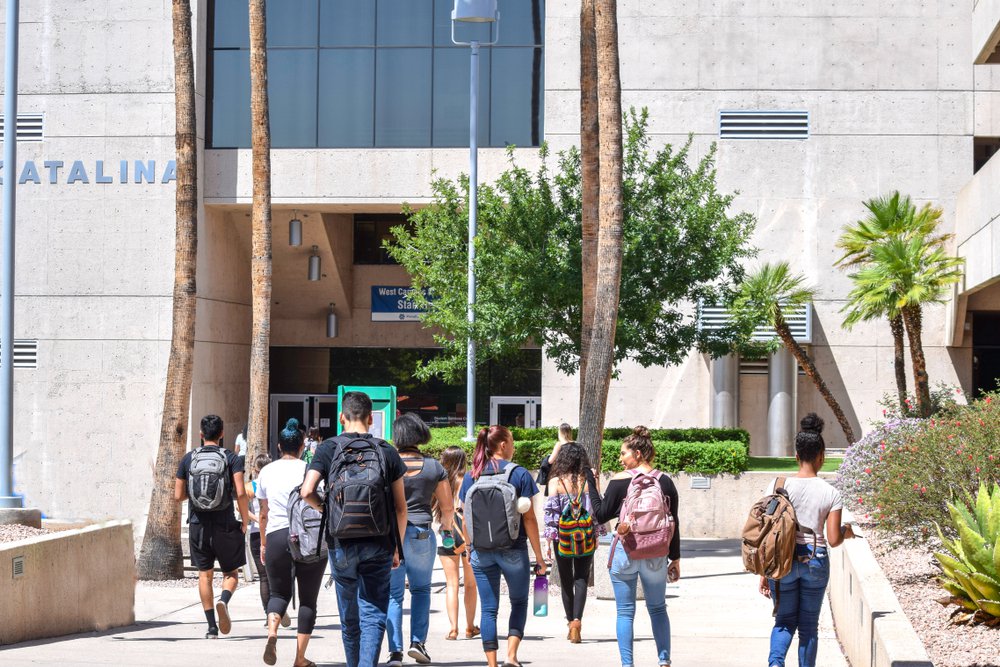
State and federal governments can stabilize community college enrollment by establishing free-tuition plans.

Dallas College gives its students 2 game-changing things: an achievable path to graduation & employment, and support to overcome obstacles.

To address the heightened needs of students, colleges should redesign advising services to ensure all students have adequate supports.

Community colleges can increase equity in enrollment by engaging marginalized communities. Here's how.
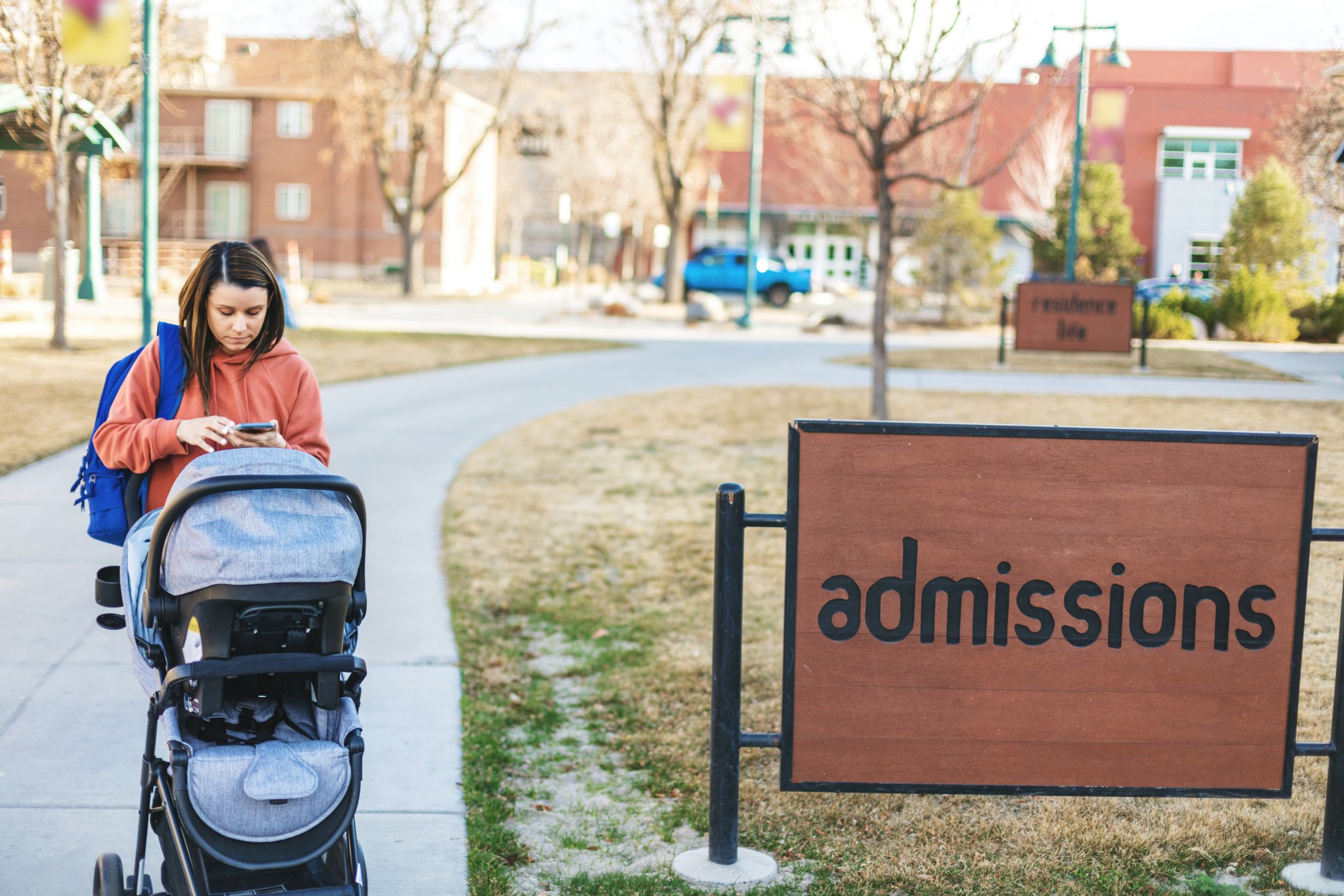
Colleges and the federal government need to provide student parents with better childcare options.

To advance community wellbeing and economic mobility, rural colleges must foster meaningful connections with their communities.

There's a growing mental health crisis in community colleges. Community colleges need additional resources to address their students' needs.

College leaders must do more to facilitate access to paid work experience, especially for historically underserved students.

More states are making college tuition free. But, without other actions, these efforts won't make higher education truly affordable.

The Center on Education and Labor has partnered with 6 community colleges to re-enroll adult learners that stopped out during the pandemic.

Community college enrollment has significantly declined since the beginning of COVID-19. This threatens educational equity.

This blog post provides two solutions to the affordable housing crisis facing community college students.