
Confronting Harmful Federal Disability Policy in Health and Human Services
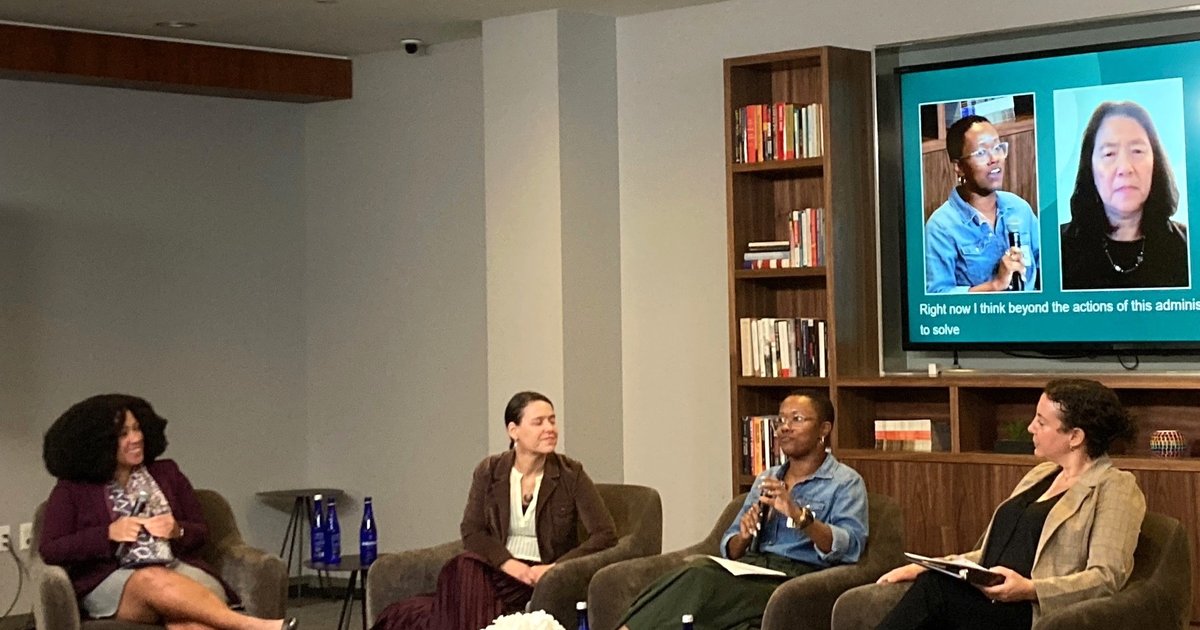
New America’s second Advancing Disability Access Forum examined how recent changes at HHS threaten the health and wellbeing of disabled people, older adults, and children.
New America’s second Advancing Disability Access Forum examined how recent changes at HHS threaten the health and wellbeing of disabled people, older adults, and children.

This analysis of federal disability funding urges a holistic approach to support the core principles of the Americans with Disabilities Act.

Technology can be a lifeline—or a barrier. Users with disabilities explain how accessible design makes all the difference.

Despite the risks, there is currently no federal law governing the use of restraint or seclusion in schools.
Disabled people are not passive recipients of policy outcomes; they are experts on their own lives and the systems they operate within.

Automatic eligibility policies can help serve more infants and families with EI, but implementation is critical.


Chronic underpayment and workforce shortages are threatening the state’s ability to deliver critical services for children with disabilities

Now, more than ever, we need to center disabled people to address persistent challenges and find better solutions for everyone.

New bill offers support for student parents, the early childhood workforce, and more

Better math proficiency early in a student’s education often means better reading and math skills later on.
A fact sheet from New America and Start Early supports advocates to stay informed and take action.

AI is transforming accessibility, says expert An-Me Chung, by unlocking new support tools for students with disabilities.

Few pre-K curricula provide strategies for children with disabilities or target their developmental needs.

Sarah Carr spotlights how states like Ohio and Vermont work to prevent the exclusion of young children with disabilities from child care.