
What’s Wrong With How We Talk About AI in the Classroom
Schools should center teachers and students, not AI hype, and set boundaries and policies that protect human-led learning.
Schools should center teachers and students, not AI hype, and set boundaries and policies that protect human-led learning.
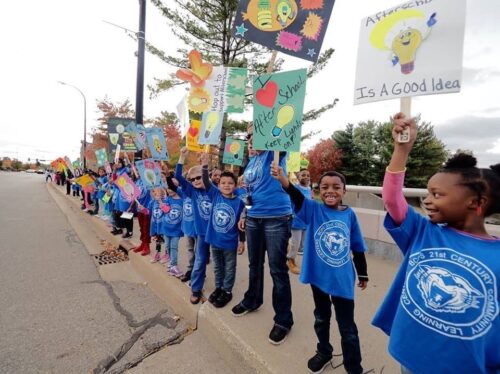
21st CCLC advocates saved their funding after decades of research, investing in networks, and bipartisan ties.


Twenty-five years after School-to-Work, what can its rise and fall teach today’s career pathways movement?

Early intervention services to infants with suspected disabilities can start before they are born.

Zahava Stadler writes in Mississippi Today that smarter school district boundaries could reduce funding inequality in Mississippi.
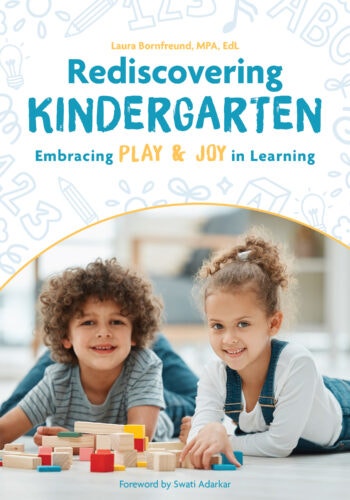

Colorado and Massachusetts are expanding the role of advising to ensure every adult is prepared to support students plan for their future.

Lisa Guernsey joins the podcast Remaking Tomorrow to discuss resources communities can use to build their own learning landscapes.

This updated policy brief offers new resources and insights on artificial intelligence for students with disabilities.

New research from Texas and Ohio reveals how states can ensure credentials lead to opportunity for students.
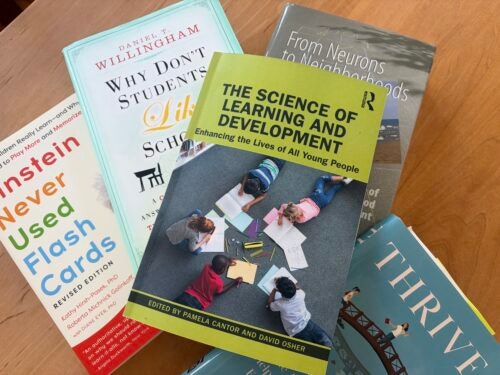
Scientists have uncovered what helps activate learning in children and adolescents. Now the challenge is to apply these insights in and out of school.

These are the members of the National Commission on Learning Ecosystems, a two-year project of the Education & Work program at New America.
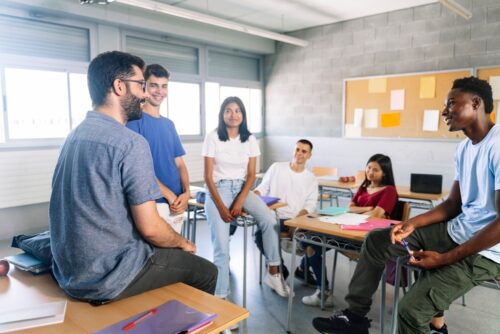
How states are redefining roles in the career advising ecosystem for student career success.
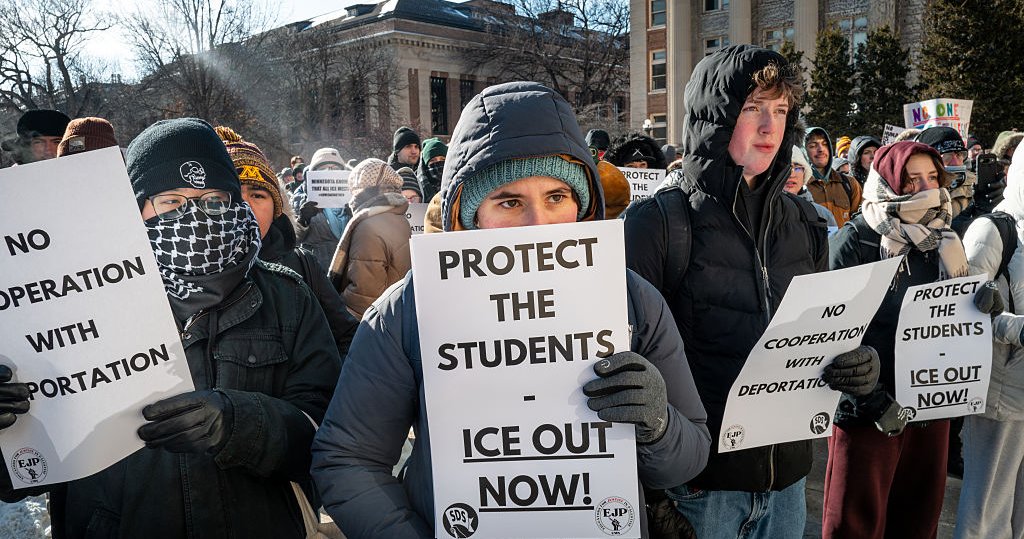
An occupation by ICE federal agents is exactly the right time to talk about improving digital skills in Minnesota’s classrooms.