
Dual Language Learners and the Scourge of Limited Data
How many dual language learners are there in U.S. schools? Are there more now than last year? The answer(s) may surprise you.
Big ideas, bold solutions. Explore the latest research, analysis, and policy insights from our experts.
How many dual language learners are there in U.S. schools? Are there more now than last year? The answer(s) may surprise you.

Lumina Foundation announced an initiative today addressing how to better align credentialing policies with the needs of students.

While the English-only movement in US schools has been flagging, debate over how to support DLLs' development continues.

News of this gift to an already well-funded institution made me wonder: What could $400 million do at less funded schools?


The U.S. Department of Education distributed a letter outlining the Consolidated and Further Continuing Appropriations Act of 2014.

Universal pre-K expands enrollment to students of different socioeconomic levels and races, but does not always improve at classroom-level.

A growing body of research has shown the potential cognitive, cultural, and economic benefits of bilingualism.

Colleges have little incentive to enroll low-income students and it is increasingly reflected in their student aid policies.

Post 4 of the DLL Reader deals with one of the big questions in policies related to DLLs.

Amaya Gracia explains California's education reform, the Local Control Formula, and how certain districts fall short of the standards.
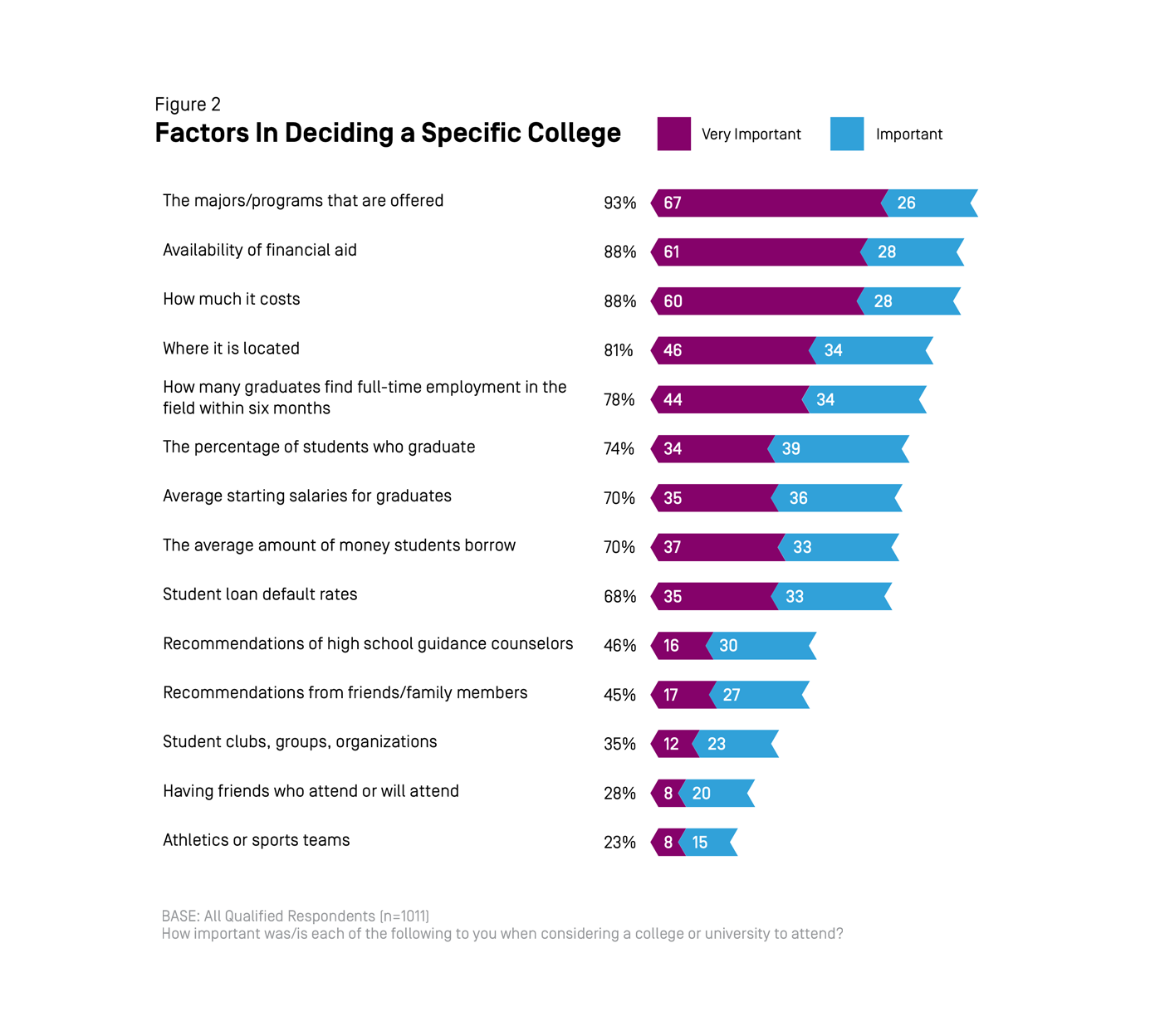
New America released the first in a series of College Decisions Survey briefs about college, and financing process literacy in students.


Hawaiian immersion schools have been pushing for more policy flexibility for years.

There are more dual language learners in American schools every year. But how do various states screen to determine which students are DLLs?