
Ten Education and Work Issues at Stake in the 2024 Election
The results of the U.S. presidential election will have immense implications on the future of education and world of work.
The results of the U.S. presidential election will have immense implications on the future of education and world of work.
Despite acknowledging funding is inadequate, state leaders have not been able to close funding gaps to help school districts serve ELs.

Meaning-making practices must be emphasized and content should be relevant to older ELs to keep them engaged in reading.

Teacher apprenticeships are being implemented across the country, but what role can they play in preparing teachers of English learners?

A look back at Lau v. Nichols, a seminal case for English learner students, and how to continue advancing language rights..

The nuances of learning to read in more than one language and differentiating service for ELs cannot be left out of the SoR shift.

It’s possible to provide a more accurate measure of ELs' academic performance and contextual information about their learning environment.

Reauthorization of the Workforce Innovation and Opportunity Act (WIOA) gives Congress a chance to finally include 41 million gig workers.
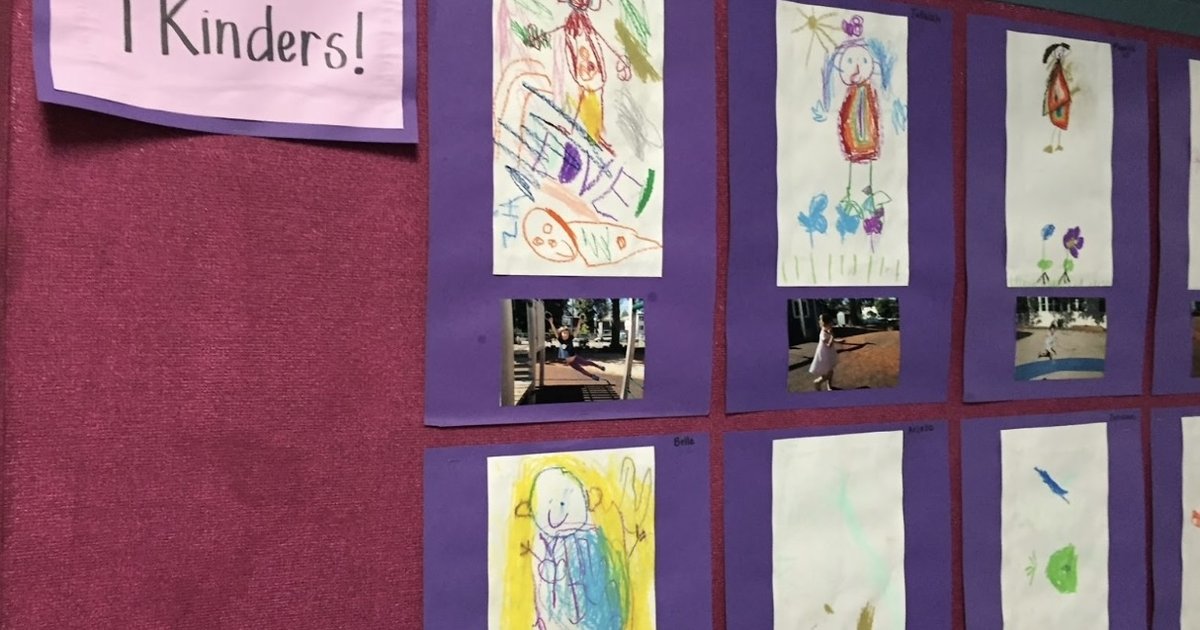
Some four-year-olds in California are taking English proficiency exams meant for older kids. Proposed legislation urges alternative options.

Experts share how moving beyond phonics, utilizing oral language, and collaboration between EL and early literacy specialists is key.

English learners’ equitable access to education remains unfilled, experts identify key barriers and remain hopeful for the next 50 years.
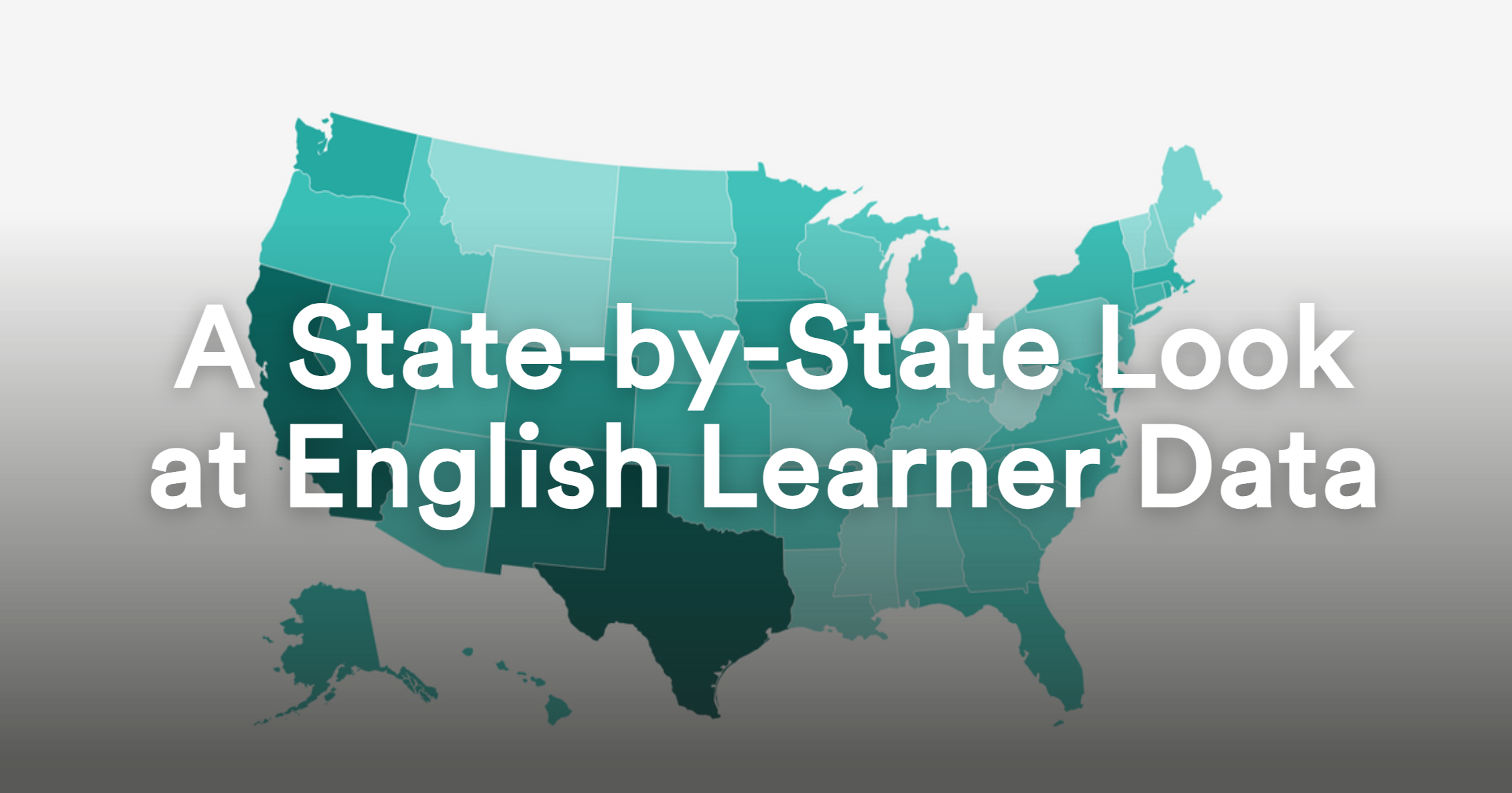

Arizona’s English-only policy has harmed ELs over the last 20 years, yet leaders want to exclude ELs from dual language programs.

This brief summarizes interviews with early childhood education leaders seeking to address dual language learner data gaps.

Despite unprecedented numbers, existing laws and processes can help schools and districts prepare to welcome recent arrivals.