
New Online Toolkit Offers Educators Research-based Instructional Resources To Support Multilingual Students in PreK-3
This one-stop-shop offers all educators the opportunity to build their capacity to support linguistically diverse students.
This one-stop-shop offers all educators the opportunity to build their capacity to support linguistically diverse students.

Policymakers should take note of the fact that less rigorous certification requirements have a negative impact on EL students.
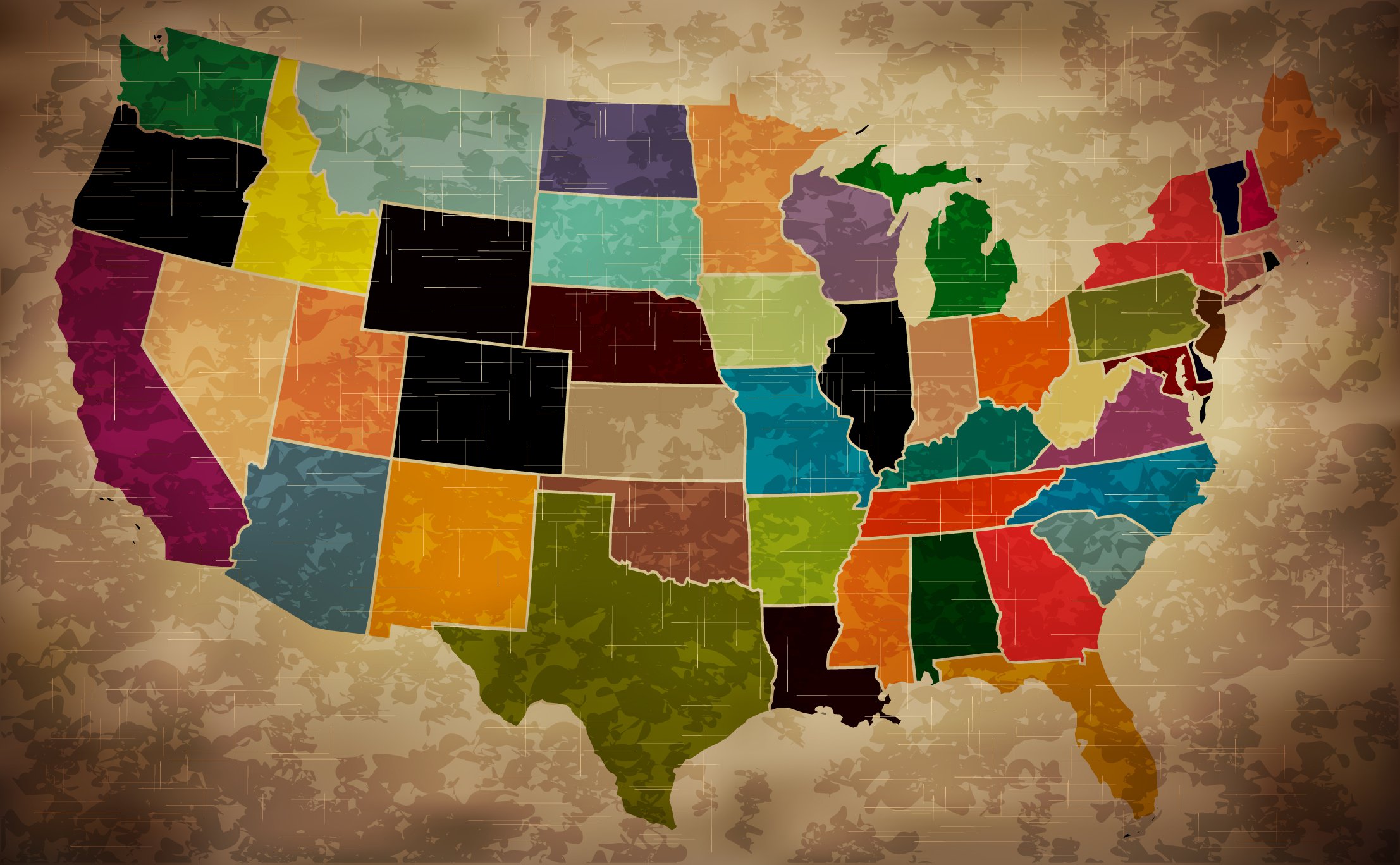
A state-by-state look at EL policies and practices across the country after ESSA.

A new report offers insight on how to provide continual development opportunities for teachers in dual language classrooms in California.

Critical race theory (CRT) is a theoretical framework developed in the 70's to understand the intersection of race, power, and policy.

ELs’ post-COVID socioemotional and behavioral needs will require a shift in school discipline towards empathetic restorative approaches.

Mental health, disengagement, and growing opportunity gaps among top issues for English learners as they close out the 2020-21 school year.

AAPI communities are heterogeneous, but the Asian subgroup in education data does not reflect ELs with less common Asian ancestry.

Through intentional communication and engagement local education leaders can help ensure immigrant children return as schools reopen.

As schools return to in-person instruction, the SLIFE field offers key insight on how to equitably serve ELs when time is of the essence.

Local education leaders must be intentional and targeted in their allocation of funds to improve English learners’ opportunity to learn.

A look at how two school districts in California are meeting the needs of English learners during the pandemic and beyond.

Though often overlooked, learning about Black ELs’ experiences can help foster cultural and linguistic inclusivity in EL education.
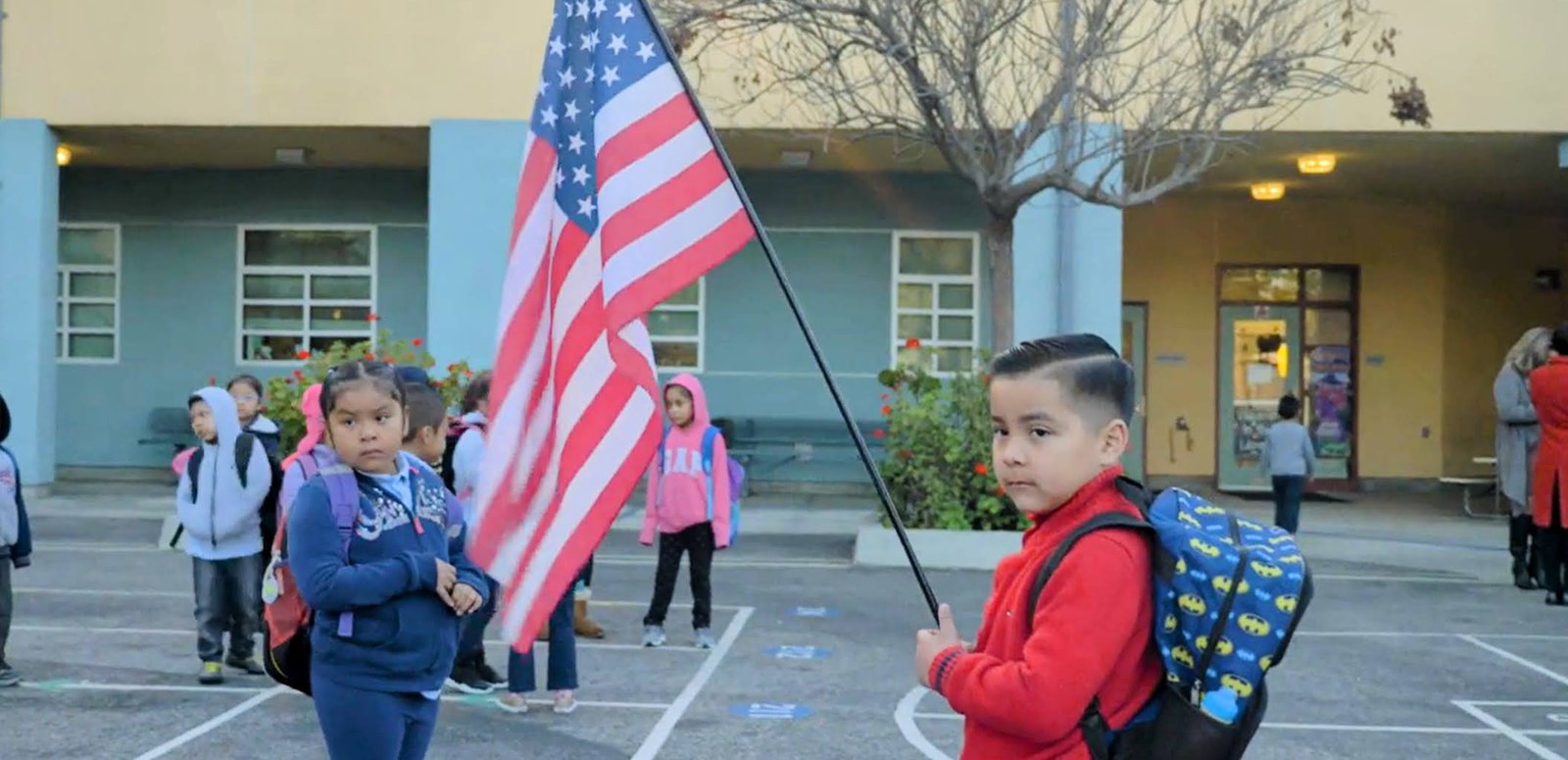

Local education leaders offer insight on how to assess ELs’ needs when standardized testing goes awry.