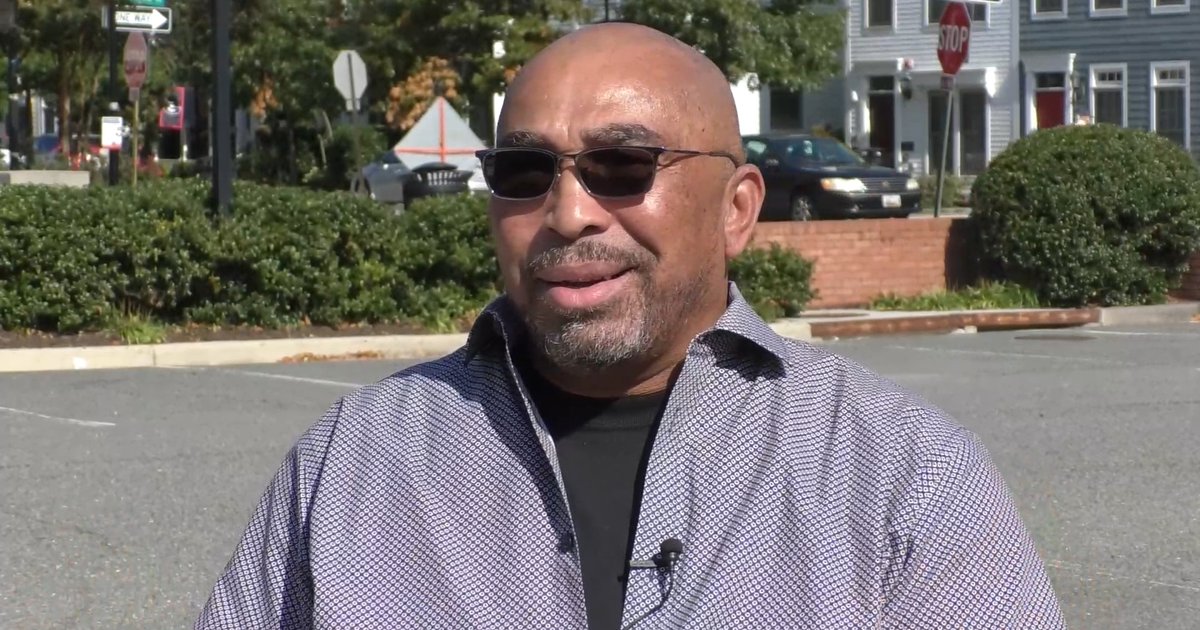
Recalling a Childhood of Segregated Schools and Libraries
We ask Michael Johnson, a cousin of a participant in the 1939 library sit-in, about growing up in a segregated city.
We ask Michael Johnson, a cousin of a participant in the 1939 library sit-in, about growing up in a segregated city.

We ask Bryan Porter how he investigated the 1939 sit-in arrests and wrote an order clearing the participants.

We ask Justin Wilson about the process of learning about and clearing the charges in the 1939 Alexandria Library sit-in.

We ask Davis about her decades of work supporting research on the 1939 sit-in and interpreting its significance.

We ask Dawson, the first African American library director in Alexandria, about the 1939 sit-in and how libraries reckon with their pasts.
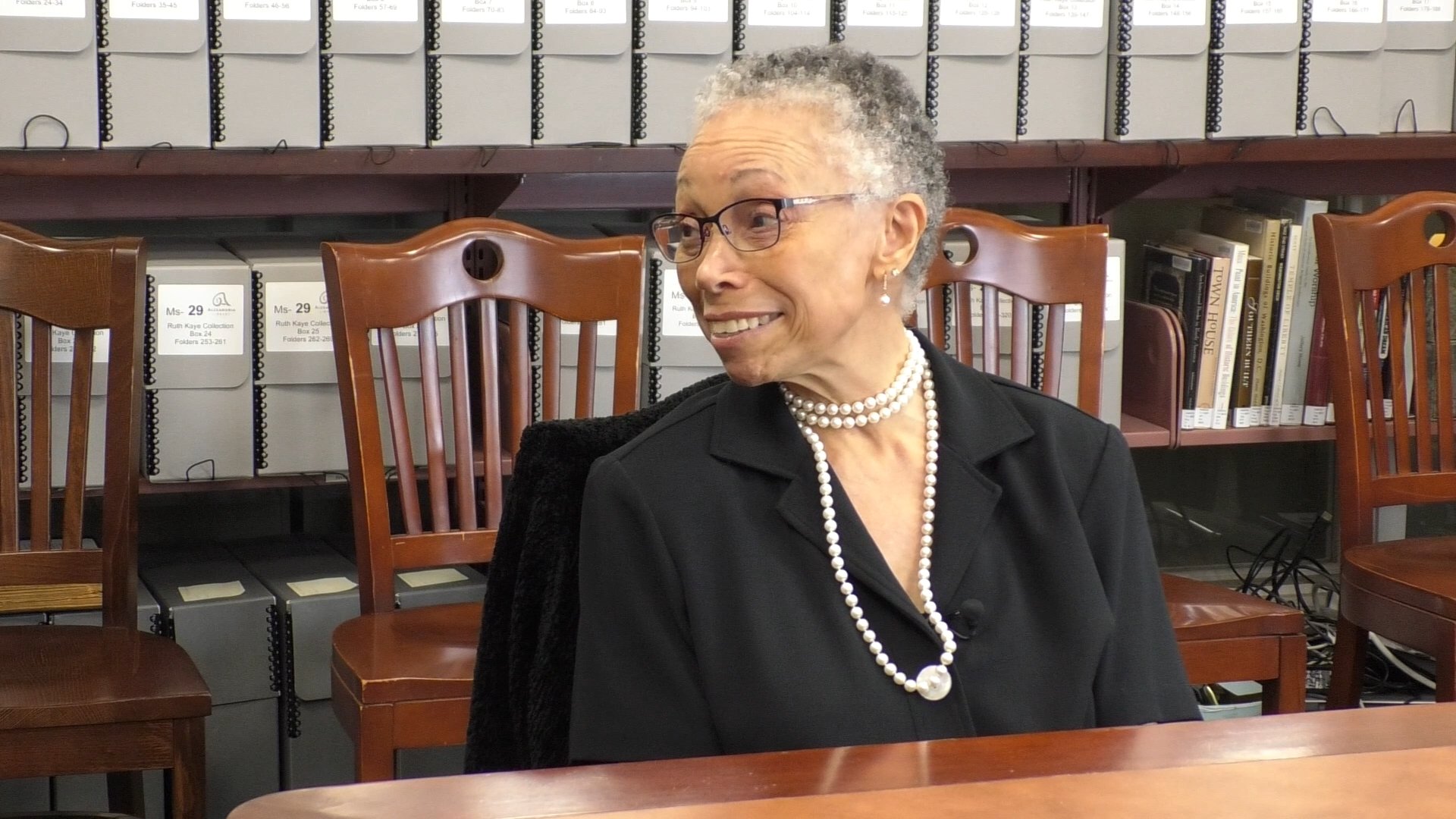
We ask what propelled Mitchell-Powell to document this little-known story and what lessons apply to schools and libraries today.
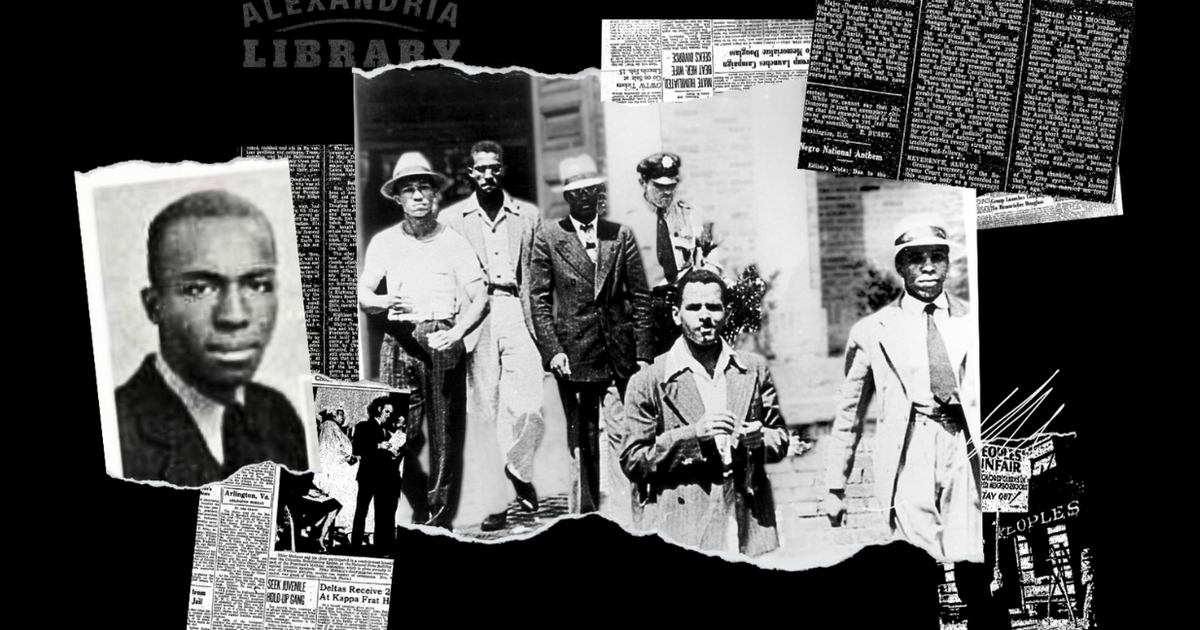
Delving into the story of the Alexandria Library sit-in, how its story has been preserved and amplified, and what it teaches us today.


It's critical for education stakeholders to explore the opportunities to invest in social media integration for learning.

In the second part in our series, we describe the context behind bringing a fuller picture of America's story to classrooms.
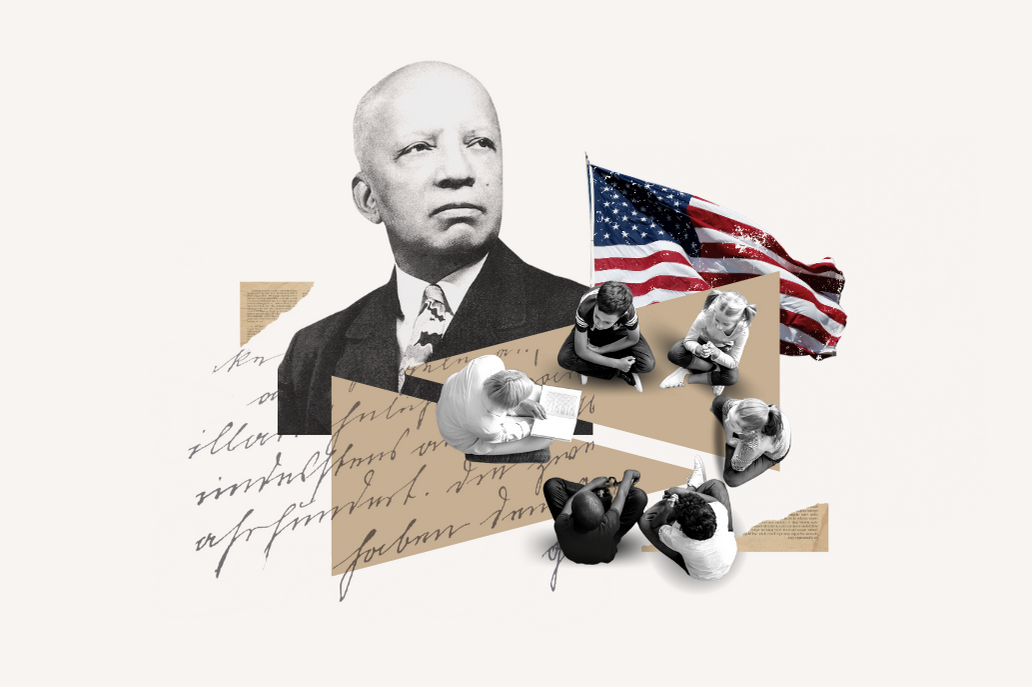
This brief is the first in a two-part series about a promising model for creating online libraries that can guide teachers.

Invention education is a pedagogical approach to learning, where educators help students define and build solutions for real-world problems.

Learning how to effectively use OER, and providing related professional development for educators are worthwhile investment.

Meeting Black girls where they are is key for helping them reach their full potential in literacy and digital inclusion.

Media representation of Native people can be helpful for integrating Native history, culture and people in educational experiences.