
Pre-K Data in Practice: Unpacking the Complexities of State-Level Data Use
How the structure of pre-K programming impacts the type of data available to state agencies
How the structure of pre-K programming impacts the type of data available to state agencies
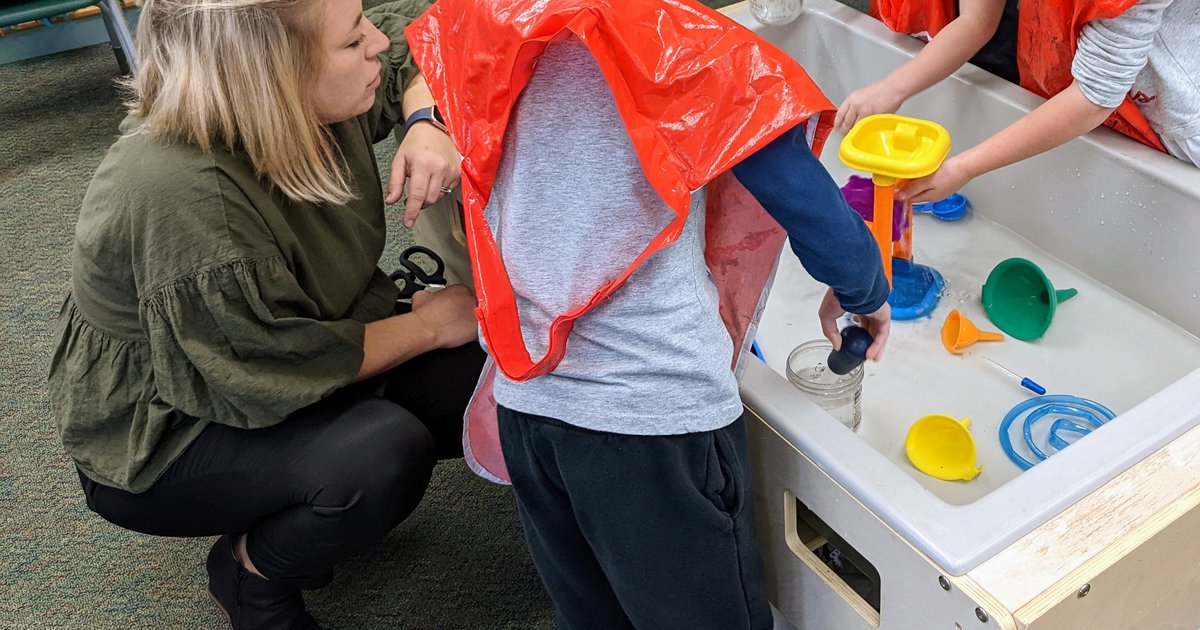
Helping to create the conditions for young children to thrive in kindergarten begins by better understanding what is getting in the way.

The order represents the most comprehensive set of executive actions any president has taken to improve the country’s care infrastructure.

Takeaways from National Academies sessions on curriculum adoption and implementation from a state or local context

The role of pre-K data in understanding access, quality, and outcomes for Black and Latinx children

Clements lamented, “the trouble is… most kindergarten classrooms teach children math they already know. We have to move beyond that.

How pre-K program leaders use data to inform policy and practice

Research has shown that children learn best when they are engaged in developmentally appropriate experiences and activities: play!
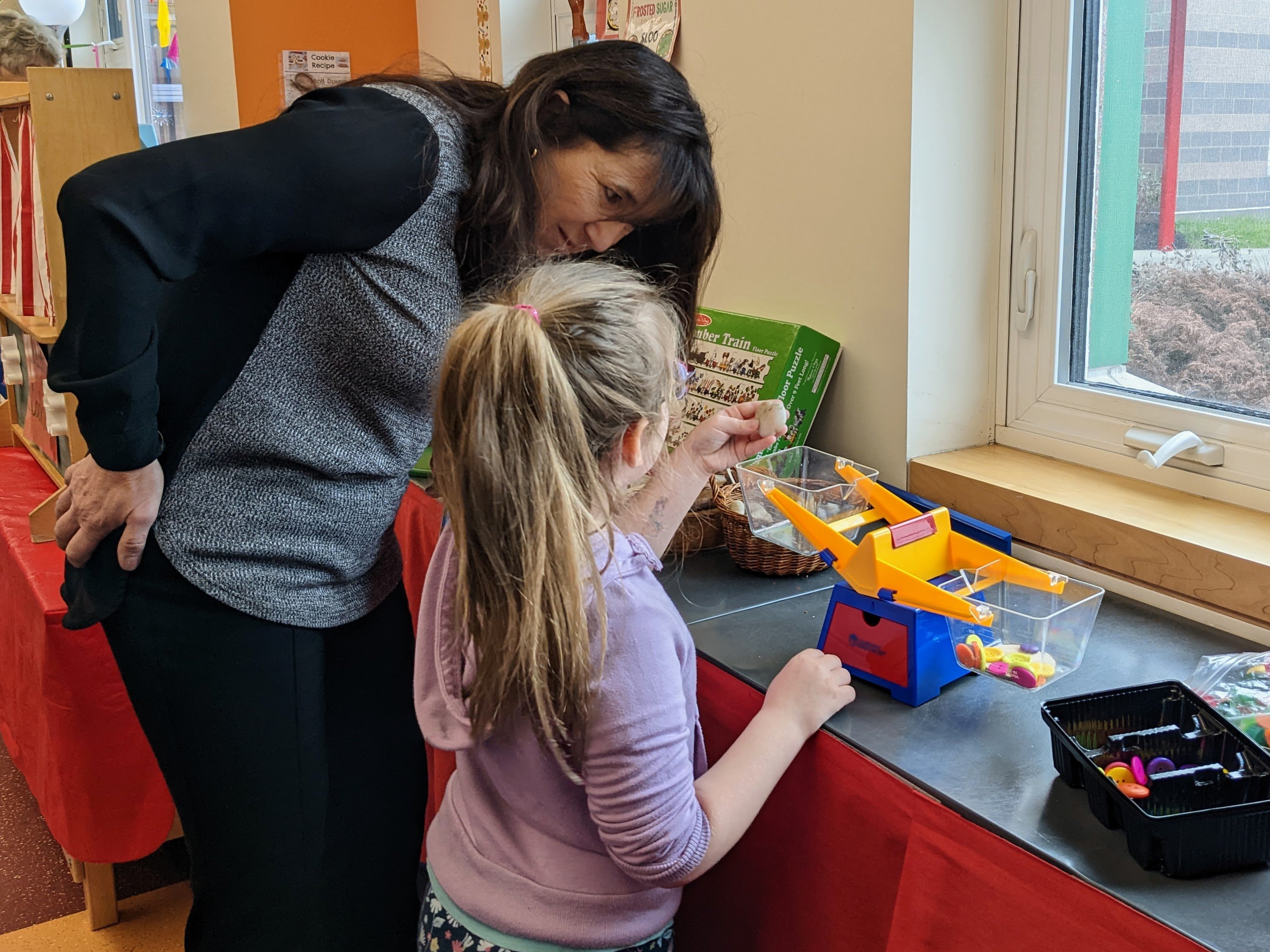
Women played a consequential role in advancing kindergarten education in the United States.

March has been a busy month when it comes to the federal government and early and elementary education.

The budget is an important opportunity for the administration to signal its priorities when it comes to education.

Two new federal resources highlight opportunities for coordination and alignment of state early childhood programming

In the wake of the failure of Build Back Better, experts say early education reform must come locally.

There is an urgent need for federal legislation that boosts the amount of federal spending on our youngest children.

The federal investment has the transformative power to create positive change in ECE systems, including making systems more equitable.